SHIB: The Evolution of the Shiba Inu Ecosystem
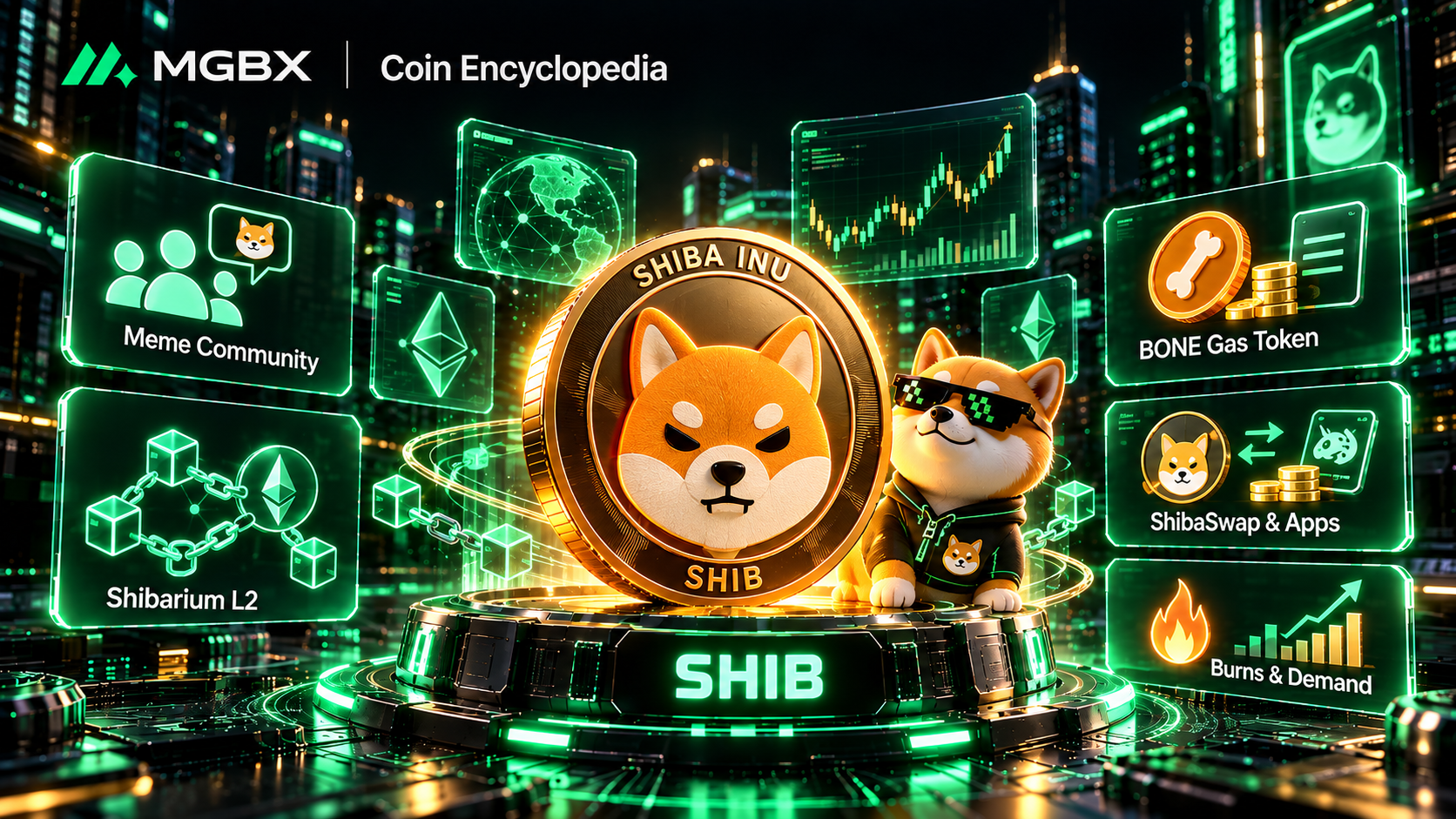
Shiba Inu initially gained attention through internet meme culture and community engagement before expanding into an ecosystem that includes ShibaSwap and Shibarium. This article explores SHIB’s evolution from an Ethereum-based token into a multi-product ecosystem, explains the roles of SHIB, BONE, and LEASH, and examines how on-chain activity, token burns, and market demand influence ecosystem development. It also highlights the difference between project progress and token price performance.
From a Shiba Inu Meme to a Community-Driven Crypto Ecosystem
Shiba Inu, also known as SHIB, launched in 2020 as an ERC-20 token on Ethereum. It gained attention through its Shiba Inu branding, community-driven promotion, and cultural connection to Dogecoin. Over time, the project expanded into decentralized trading, community governance, and on-chain applications.
SHIB’s development reflects how some meme coins seek to move beyond a single internet meme by building products and encouraging community participation. However, ecosystem expansion does not guarantee token appreciation. Whether new products attract actual users, generate sustained demand, or benefit the associated tokens must be evaluated separately.
What Is Shibarium? Layer 2 and the Multi-Token Structure
Shibarium is a Layer 2 network designed for the Shiba Inu ecosystem, aiming to provide lower-cost and more efficient on-chain transactions. According to the official documentation, Shibarium uses a multi-layer architecture, records checkpoints on the Ethereum mainnet, and processes transactions through its own validator and consensus layers. BONE serves as its native gas token and also plays a role in staking and related governance mechanisms.
SHIB remains one of the ecosystem’s core tokens, while LEASH is another token within the broader Shiba Inu ecosystem. Each token has distinct functions and conditions of use. Users should refer to the official documentation rather than assume that all ecosystem tokens serve the same purpose.
The SHIB ecosystem also includes decentralized trading products such as ShibaSwap. To evaluate its development, users should look beyond the number of announced features and examine actual trading activity, active users, developer participation, and application usage. Lower network fees may improve the user experience, but they do not automatically increase demand for SHIB.
How to Evaluate SHIB: Ecosystem Activity, Token Burns, and Market Demand
SHIB can be evaluated across three key areas:
Ecosystem activity: Transaction volume, active addresses, and application usage on Shibarium.
Tokenomics: Circulating supply, token distribution, and the actual implementation of burn mechanisms.
Market data: Trading volume, order book depth, and price volatility.
The SHIB ecosystem includes token-burning mechanisms, some of which are linked to ecosystem activity. However, burn volumes should be assessed using public records and verifiable execution data. Announcements about token burns alone are not sufficient evidence of future price appreciation. Even if circulating supply decreases, SHIB’s price may still fall if market demand declines at the same time.
For anyone following SHIB, a more balanced approach is to examine ecosystem functionality, actual usage data, and market liquidity together. It is also important to distinguish products that are already operational from those that remain in development or at the planning stage. Ecosystem development may support long-term growth, but it cannot replace an independent assessment of price risk.
Frequently Asked Questions
What is SHIB?
SHIB is a core token in the Shiba Inu ecosystem. Launched in 2020, it initially gained attention through internet meme culture and community-driven promotion.What is the relationship between Shibarium and SHIB?
Shibarium is a Layer 2 network designed for the Shiba Inu ecosystem, providing infrastructure for on-chain transactions and applications. Greater network activity does not necessarily translate into a higher SHIB price.What is the difference between BONE and SHIB?
SHIB is a core ecosystem token, while BONE serves as Shibarium’s native gas token and is also used in related staking and governance mechanisms.Does burning more SHIB automatically increase its price?
No. Token burns may reduce the circulating supply, but prices also depend on market demand, liquidity, holder distribution, and broader market conditions.
Mastering the basics is the first step. Follow MGBX Academy to access more cryptocurrency educational resources and market opportunities.
The process for trading on MGBX:
Register a trading account and complete the necessary identity verification;
Deposit funds and select a trade type;
On the cryptocurrency trading page, enter the amount or quantity of the cryptocurrency you wish to purchase;
Confirm the order to complete the trade, and check that your assets have increased accordingly.
Further Readings:
Meme Coins: The Complete Guide from DOGE to PEPE
DOGE Deep Dive: The King of Meme Coins