Solana Ecosystem Overview: DeFi, NFTs, and Meme Coins
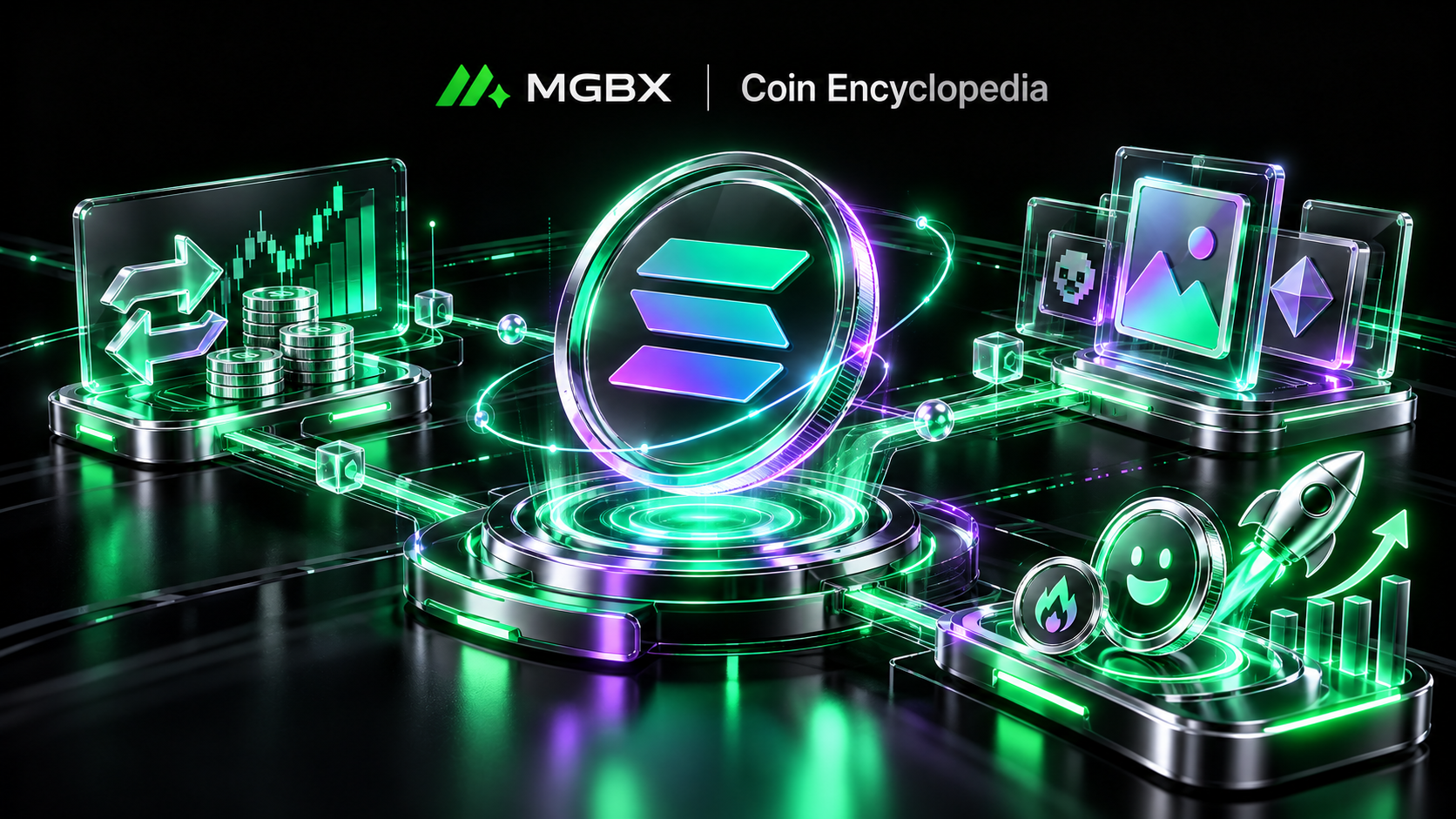
The Solana ecosystem has evolved from a high-performance blockchain into a broad application network spanning DeFi, NFTs, meme coins, stablecoins, payments, and DePIN. SOL DeFi provides trading, lending, and liquidity services; NFTs support digital assets and consumer applications; and Solana meme coins attract significant on-chain activity through low barriers to entry and frequent trading. These sectors share the same network users and liquidity, but their risk profiles differ significantly, so the health of the ecosystem should not be judged by any single popular segment.
SOL DeFi Forms the Financial Infrastructure of the Ecosystem
SOL DeFi refers to decentralized finance applications built on the Solana network. Common categories include DEXs, lending protocols, liquid staking, trade aggregators, and various asset management platforms. Projects such as Jupiter, Raydium, and Kamino represent different types of DeFi infrastructure within the Solana ecosystem. Users can access these protocols directly through Web3 wallets without relying on a centralized intermediary for every transaction.
High-frequency activity is particularly sensitive to transaction costs. A single DeFi strategy may involve multiple steps, such as swapping tokens, granting approvals, depositing assets, and adjusting positions. If every step is expensive, participation becomes significantly less practical for users with smaller amounts of capital. This is why Solana’s relatively low transaction friction is well suited to SOL DeFi applications.
However, DeFi does not mean low risk. Smart contract vulnerabilities, oracle failures, asset depegging, liquidations, and changing liquidity conditions can all result in losses. Users should understand how a protocol works before interacting with it.
NFTs Are Expanding From Digital Collectibles to Consumer Applications
NFTs were one of the earliest sectors to build broad user awareness within the Solana ecosystem. Because minting and transferring assets both require on-chain transactions, relatively low fees make it easier for developers to issue NFTs at scale and experiment with use cases such as digital collectibles, in-game items, membership passes, ticketing, and other consumer applications.
NFT marketplaces such as Magic Eden have also served as important entry points into the Solana ecosystem. However, an NFT is not simply a picture. At its core, an NFT is a token standard used to represent a unique asset or right on a blockchain. Images, music, and in-game assets are simply different ways this technology can be applied.
The NFT market is also highly cyclical. A rise in the price of a particular collection does not necessarily indicate growth across the entire ecosystem. More meaningful indicators include whether NFTs develop sustainable real-world use cases and whether users continue to engage with related applications over time.
Why Solana Meme Coins Generate Significant On-Chain Activity
Solana meme coins are one of the ecosystem segments most capable of generating rapid short-term bursts of activity. Low issuance and trading costs, combined with mature wallets, DEX infrastructure, and token launch tools, have significantly lowered the barriers to creating and trading meme coins. Projects such as BONK and WIF have also helped increase market awareness of Solana’s meme coin ecosystem.
This model can quickly drive wallet creation, DEX trading, and other forms of on-chain activity, but it also comes with substantial risk.
Meme coins typically do not have stable cash flows or established valuation models. Their prices are largely influenced by market sentiment, community attention, and liquidity conditions. Because anyone can create a token, the market may also include concentrated ownership, malicious smart contracts, misleading promotions, or liquidity that disappears suddenly. For this reason, meme coins are better viewed as an indicator of Solana’s user acquisition capabilities and trading activity rather than as a standalone measure of the value of the entire network.
A more complete assessment of the Solana ecosystem should also consider whether SOL DeFi, stablecoins, payments, DePIN, consumer applications, and developer activity continue to grow over time.
FAQ
What are the main sectors in the Solana ecosystem?
The ecosystem currently includes DeFi, NFTs, meme coins, payments, stablecoins, DePIN, gaming, and other Web3 applications.What is SOL DeFi?
SOL DeFi refers to decentralized finance applications built on the Solana network, including DEXs, lending, staking, and asset management protocols.Why are Solana meme coins so active?
Relatively low fees, fast transaction processing, and mature wallet and DEX infrastructure have lowered the barriers to issuing and trading meme coins.Are Solana meme coins high risk?
Generally, yes. Their prices can be highly sensitive to market sentiment and liquidity, while risks may also include concentrated ownership, smart contract vulnerabilities, and project-related issues.How can you assess the health of the Solana ecosystem?
It is better to look beyond meme coins or token prices and consider factors such as real user activity, DeFi usage, stablecoin activity, application diversity, and the developer ecosystem.
Mastering the basics is the first step. Follow MGBX Academy to access more cryptocurrency educational resources and market opportunities.
The process for trading on MGBX:
Register a trading account and complete the necessary identity verification;
Deposit funds and select a trade type;
On the cryptocurrency trading page, enter the amount or quantity of the cryptocurrency you wish to purchase;
Confirm the order to complete the trade, and check that your assets have increased accordingly.