Market Cap, Circulating Supply, and FDV: Understanding Token Valuation
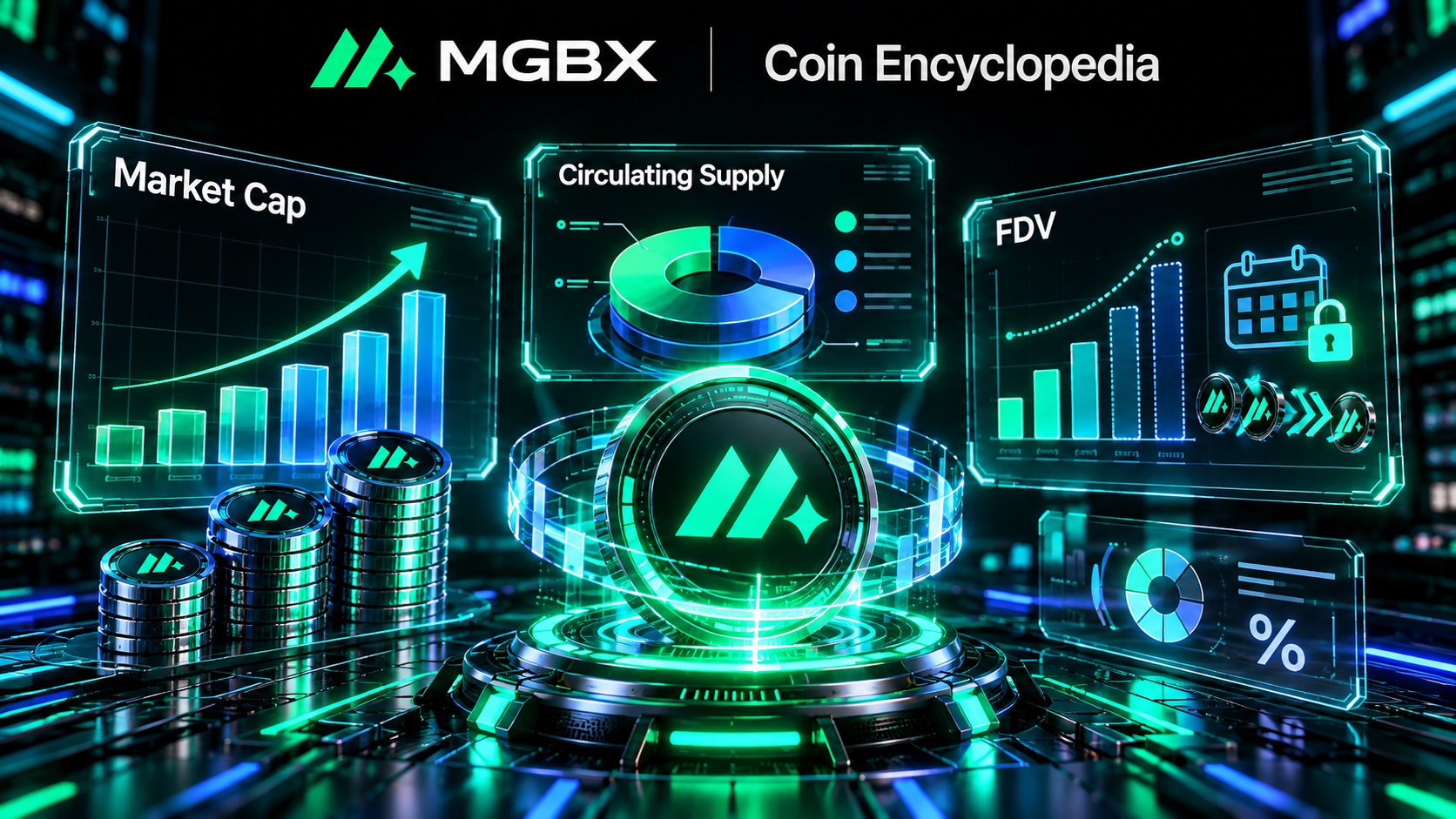
A token’s price alone cannot tell you whether its valuation is high or low. Circulating market cap uses the current circulating supply, while FDV applies the current price to the maximum supply or the platform’s defined fully diluted supply. A large gap warrants closer examination of non-circulating tokens but does not predict future price declines. When assessing low-float, high-FDV projects, check calculation methods, unlock amounts, recipients, and market depth. Market cap does not represent actual capital invested, and FDV is not a price forecast.
Calculating Market Cap: What Does Circulating Market Cap Represent?
Circulating Market Cap = Current Token Price × Circulating Supply.
It measures the total value of circulating tokens at the current price and is commonly used to compare similar projects. For example, a token priced at $2 with 100 million tokens circulating has a circulating market cap of $200 million.
A low token price does not mean a low valuation. Another token priced at just $0.01 with 100 billion tokens circulating still has a market cap of $1 billion. Assessing valuation therefore requires considering supply and project fundamentals. Market cap is neither the total amount buyers have paid nor cash that all holders can withdraw. The current price reflects trading conditions at that moment; large sales may push execution prices lower if buying demand is insufficient.
How Is FDV Calculated? Using the Same Example
FDV stands for fully diluted valuation. A common formula is:
FDV = Current Token Price × Maximum Supply.
If the $2 token above has a maximum supply of 1 billion tokens, its FDV is $2 billion. This hypothetical calculation values the entire maximum supply at today’s price. It does not predict the trading price once all tokens are released.
When both metrics use the same price and FDV uses maximum supply:
Circulating Market Cap ÷ FDV = Circulating Supply ÷ Maximum Supply
In the example above:
$200 Million ÷ $2 Billion = 10%
This ratio shows the proportion currently circulating, but it does not tell you when the remaining tokens will be released.
Low Float, High FDV: Assessing Unlocks and Dilution
A low-float, high-FDV structure combines a small circulating supply with a high fully diluted valuation. The potential risk is whether new demand can absorb additional tokens as they enter the market. Analysis should focus on the release schedule rather than judging a project by this ratio alone.
Suppose 100 million tokens are circulating and 20 million unlock next month. That unlock equals 20% of the current circulating supply. This calculation measures a potential supply change; it does not mean the price will fall by 20%. Check whether recipients are team members, investors, or ecosystem funds, and whether the tokens will be sold, locked again, or used for ecosystem activities.
When comparing projects, review releases over the next 30 to 90 days, holder concentration, order book depth, and actual usage demand. There is no universally safe circulating-supply ratio, and high FDV alone does not establish overvaluation. For a fuller analysis of allocation and incentives, read The Complete Guide to Tokenomics.
Frequently Asked Questions
Does a low circulating market cap mean greater upside potential?
Not necessarily. It may also reflect weak demand, limited liquidity, or substantial unreleased supply.Does a token unlock directly increase FDV?
If the price and supply basis used for FDV remain unchanged, an unlock alone does not directly change FDV.Does market cap being close to FDV mean there is no selling pressure?
No. Existing holders can still sell, so holder concentration and market depth remain relevant.
Mastering the basics is the first step. Follow MGBX Academy to access more cryptocurrency educational resources and market opportunities.
The process for trading on MGBX:
Register a trading account and complete the necessary identity verification;
Deposit funds and select a trade type;
On the cryptocurrency trading page, enter the amount or quantity of the cryptocurrency you wish to purchase;
Confirm the order to complete the trade, and check that your assets have increased accordingly.