Private Keys and Seed Phrases: The Last Line of Defense for Digital Assets
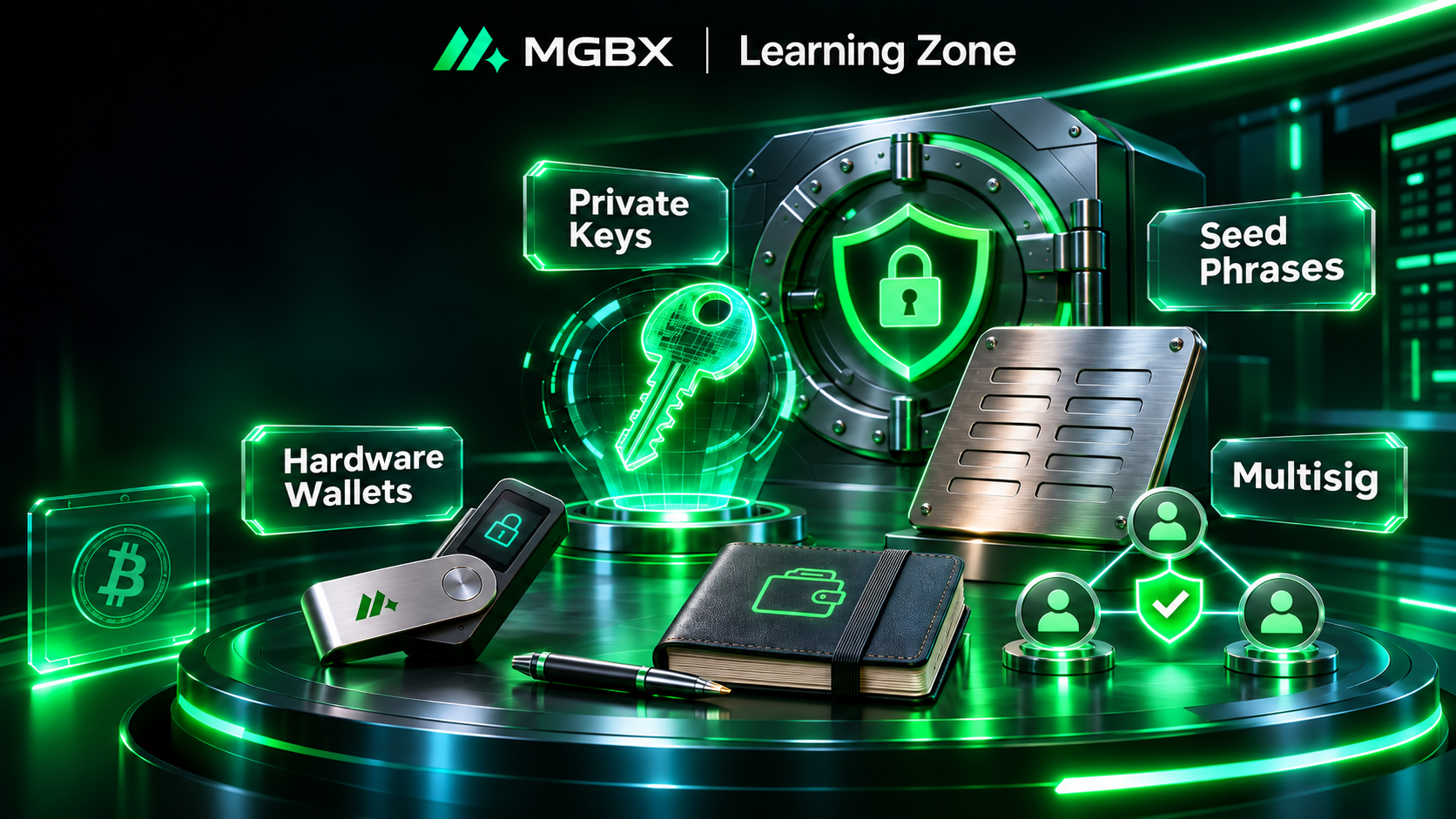
Digital asset security starts with protecting transaction authorization and recovery credentials. Private keys sign transactions, seed phrases typically restore derived accounts, and wallet passwords protect local access. Effective key management addresses exposure, loss, and human error. Different setups suit everyday transactions, long-term storage, and shared funds, but all require verified backups and careful transaction review. Understanding each tool’s limits helps build lasting security habits.
Why Do Private Keys and Seed Phrases Determine Asset Control?
Wallets do not store cryptocurrency on your phone or hardware device. Asset balances and ownership records exist on the blockchain. Wallets manage keys, display balances, and initiate transactions. For typical single-signature accounts, a valid private key generally authorizes transfers. Protecting it safeguards on-chain permissions, not just access to an app.
A seed phrase is usually essential for wallet recovery. Compatible wallets use it to generate a seed, then derive keys for multiple accounts. One exposed phrase can therefore compromise several accounts. Separately imported private keys, however, may not be covered by that backup. See the Ethereum account documentation and BIP32 specification.
Protecting Seed Phrases Against Exposure and Loss
Limit exposure: avoid photos, screenshots, and unencrypted copies in messaging apps, email, or cloud notes. A screenshot does not automatically lead to theft, but photo syncing, device compromise, or account theft can expose it. Support agents, airdrop pages, and supposed wallet upgrade sites should never request recovery words. MetaMask’s official guide recommends checking word order, storing backups offline, and never sharing them.
Backups must also withstand time and accidents. Paper needs protection from moisture and fire; metal improves durability but cannot prevent someone from reading it. Separate storage locations reduce the impact of a single disaster while adding places to secure. Use the wallet’s official backup-check feature to catch missing or incorrect words early.
How Can You Build a Practical Key Management Plan?
Assign wallets to specific purposes:
Keep only necessary funds in everyday wallets, and limit unfamiliar app connections for long-term holdings. Consider multisig when funds require shared approval.
Hardware wallets reduce key exposure; multisig distributes signing authority. They can work together, but neither replaces transaction review. The Bitcoin.org security guide covers small everyday balances, offline storage, and multisig.
Plan for emergencies: recovering after device loss, moving funds after suspected exposure, and giving authorized people access to essential information if you become unavailable. Keep recovery instructions free of secrets rather than placing complete credentials in an ordinary shared document.
Frequently Asked Questions
Can a wallet password replace a seed phrase?
Usually not in traditional seed phrase wallets. The password mainly protects local access.Will changing my password fix an exposed seed phrase?
No. Use a trusted environment to move assets to a new wallet with newly generated keys.Can I recover access after device damage?
Usually, with a valid backup, any required passphrase, and compatible recovery tools.Can I lose assets without exposing my private key?
Yes. Signing malicious transactions, granting unsafe permissions, or entering the wrong address can cause losses.
Further Readings:
What Is a Private Key? Why Controlling Your Keys Means Controlling Your Assets
The Complete Guide to Backing Up Your Seed Phrase
The Complete Hardware Wallet Guide: Ledger, Trezor, and OneKey
Multisignature Wallets: A Shared Vault for Digital Asset
Mastering the basics is the first step. Follow MGBX Academy to access more cryptocurrency educational resources and market opportunities.
The process for trading on MGBX:
Register a trading account and complete the necessary identity verification;
Deposit funds and select a trade type;
On the cryptocurrency trading page, enter the amount or quantity of the cryptocurrency you wish to purchase;
Confirm the order to complete the trade, and check that your assets have increased accordingly.