Starknet opens vote on potential Ethereum L2 exit over quantum risks
Starknet is asking STRK holders whether to explore becoming an independent layer-1 blockchain to reduce its dependence on Ethereum’s quantum-security

Details
Starknet is asking STRK holders whether to explore becoming an independent layer-1 blockchain to reduce its dependence on Ethereum’s quantum-security upgrade timeline.
Ethereum layer-2 network Starknet has opened a non-binding vote asking STRK holders whether it should explore becoming an independent, post-quantum layer-1 blockchain.
On Thursday, Starknet opened a seven-day poll, which offers three options: support further research, oppose it, or remain neutral pending more information. Voting closes on Oct. 22, with results published afterwards.
A “Yes” vote would signal support for further research, not authorize a transition. Further proposals and governance votes would be required, and no timetable for becoming an L1 has been announced.
StarkWare, the developer behind Starknet, said the move could allow the network to pursue quantum-resistant security without depending on Ethereum’s upgrade schedule. Starknet currently relies on Ethereum for infrastructure, including its bridge and data availability, which StarkWare identifies as remaining quantum-security dependencies.
“Quantum-proofing crypto is urgent, so we must move at lightning speed,” StarkWare CEO Eli Ben-Sasson told Cointelegraph, contrasting the proposal with what he described as slower progress at Ethereum and Bitcoin.
Both Ben-Sasson and Starknet hinted at the proposal in separate X posts on October 8, framing it as a move to become “the first fully quantum-resistant network” by 2027.
In June, StarkWare unveiled a three-phase quantum-resistance roadmap for Starknet, covering signature upgrades, smart-contract migration and Ethereum-dependent infrastructure.
In March, Ethereum developers established a dedicated post-quantum team , aiming to introduce initial protocol-level protections by 2029.
Related: Starknet introduces wallet privacy feature for DeFi activity
Subscribe to daily byte-sized crypto news from Cointelegraph
Babylon advances native Bitcoin lending proposal on Aave V4
Starknet introduces wallet privacy feature for DeFi activity
ENS seeks DAO approval to activate upgraded Ethereum naming system
Babylon advances native Bitcoin lending proposal on Aave V4
Starknet introduces wallet privacy feature for DeFi activity
ENS seeks DAO approval to activate upgraded Ethereum naming system
Australia seeks feedback on crypto platform rules ahead of 2027 rollout
Bitcoin miners plunge up to 13% in Wall Street’s worst selloff since July
‘Bunker mode’ won’t protect your crypto, critics say
EU authority classifies Circle’s USDC as ‘significant’ under MiCA
Polygon gains US payments licenses after closing Coinme deal
Cointelegraph is committed to providing independent, high-quality journalism across the crypto, blockchain, AI, and fintech industries.
All news, reviews, and analyses are produced with full journalistic independence and integrity. For more details on our standards and processes, please read our Editorial Policy .
Related Coins
ETH
Source
Cointelegraph RSS
Source: Cointelegraph RSS
Related Articles
MGBX|News
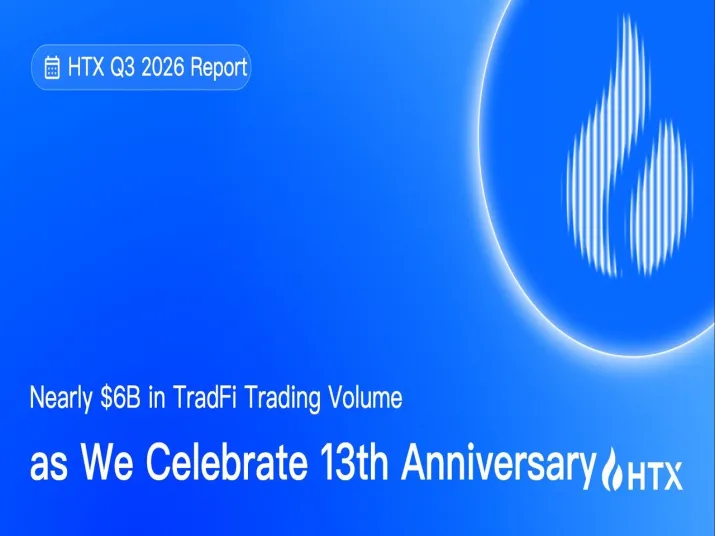
HTX Publishes Its Q3 2026 Scorecard: Cumulative TradFi Trading Volume Approaches $6B Amid 13th Anniversary Celebration
MGBX|News
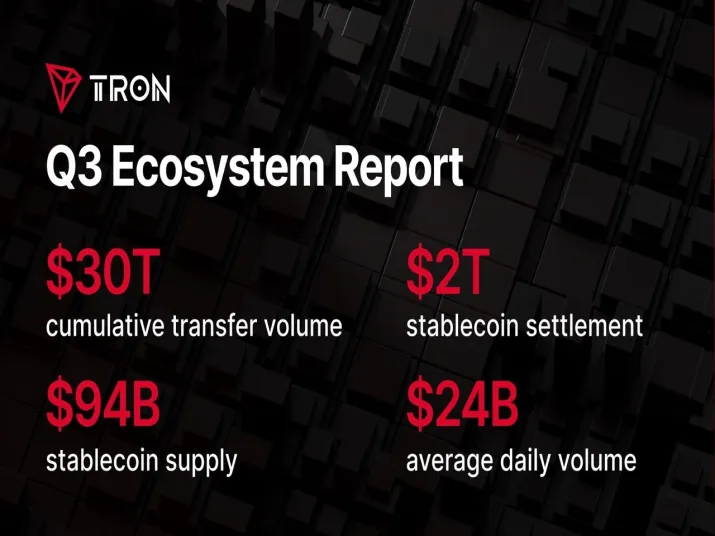
State of TRON Q3 2026 Report Highlights $2.21 Trillion in Stablecoin Settlement Amid Network Activity Growth
MGBX|News