Bitcoin Investment Logic and Strategies: A Guide to BTC DCA and Long-Term Holding
Explore the core logic behind Bitcoin investing, BTC dollar-cost averaging, and long-term holding strategies to build a more disciplined framework for position sizing and risk management.
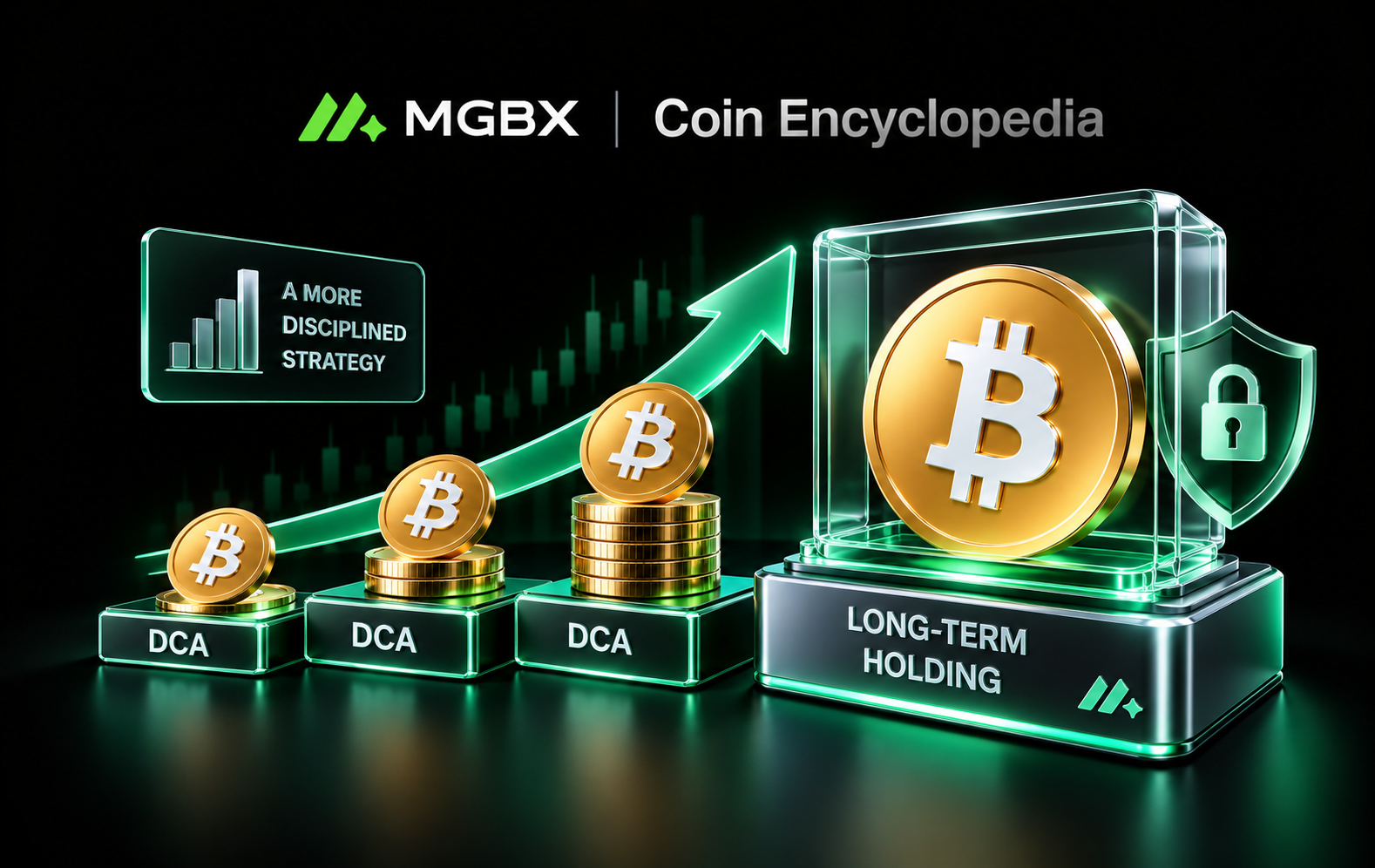
The core investment case for Bitcoin is often based on its capped supply, decentralized network, global liquidity, and market demand. The Bitcoin protocol limits the maximum supply to 21 million BTC, while new issuance gradually declines according to predefined rules. However, scarcity alone does not guarantee that Bitcoin prices will rise. For users who want exposure to the BTC market, dollar-cost averaging can help spread entry timing across different price levels, while long-term holding places greater emphasis on investment horizon, position sizing, and asset security. Regardless of the strategy used, participants should only invest funds they can afford to lose and fully consider the high volatility associated with digital assets.
The Core Investment Logic Behind Bitcoin
One of the main arguments behind Bitcoin investing is its limited supply. Under the Bitcoin protocol, new BTC is issued at a predictable rate, with new supply periodically reduced until the total supply reaches a maximum of 21 million BTC. Unlike traditional currencies whose supply can be adjusted by central authorities, Bitcoin’s issuance rules are governed by a transparent protocol. This is one reason Bitcoin is often discussed as a scarce digital asset.
Bitcoin is also maintained by a globally distributed network of nodes rather than a single central institution responsible for issuance or transaction verification. Its network can facilitate value transfer across regions, and as trading, custody, and regulated investment channels continue to develop, BTC has become an asset allocation option for some investors.
However, Bitcoin does not generate corporate earnings, dividends, or fixed interest. Its market price is primarily driven by supply and demand, macroeconomic liquidity, investor sentiment, and broader market conditions. A limited supply alone therefore cannot be used to assume guaranteed returns.
How Can BTC Dollar-Cost Averaging Reduce Entry-Timing Risk?
BTC dollar-cost averaging, commonly known as DCA, means investing the same or a similar amount of money into Bitcoin at regular intervals. For example, an investor may allocate a fixed budget each month instead of investing all available capital at once.
By purchasing BTC across different price levels, DCA allows investors to acquire more Bitcoin when prices are lower and less when prices are higher. Its main advantage is reducing the pressure to identify the perfect market entry point and limiting the influence of short-term market sentiment on investment decisions.
However, BTC DCA does not guarantee profits or eliminate the risk of prolonged price declines. During a sustained bull market, gradual purchases may also result in a higher average entry price than an earlier lump-sum investment.
Users should first establish a fixed investment amount that does not affect essential living expenses, choose a consistent investment schedule, and periodically review Bitcoin’s share of their overall portfolio. Increasing exposure simply because BTC prices have risen in the short term may create unnecessary risk.
Risk Management for Long-Term Bitcoin Holding
Long-term Bitcoin holding refers to maintaining BTC exposure over an extended investment horizon while reducing frequent reactions to short-term price movements.
Long-term holding does not mean ignoring market developments or holding indefinitely under all conditions. A more disciplined approach is to define the investment horizon, target allocation, and conditions for adjusting the position in advance, while keeping sufficient funds available for daily expenses and emergencies.
Asset security is also an important part of a long-term BTC strategy. When holding Bitcoin on a trading platform, users should enable two-factor authentication, use a unique password, and remain alert to phishing attempts. Those who choose self-custody should securely protect their private keys and recovery phrases.
Regulators have also warned that digital assets may involve significant price volatility, private-key loss, cybersecurity threats, platform-related risks, and liquidity risks. Users should only invest capital they can afford to lose.
How to Buy BTC on MGBX:
Register a trading account and complete the required identity verification.
Deposit funds and go to the BTC trading page.
Enter the amount you want to spend or the amount of BTC you want to buy.
Confirm the order to complete the transaction, then check that your BTC balance has been updated accordingly.
FAQ
Does BTC dollar-cost averaging guarantee profits?
No. DCA can spread purchases across different entry points, but it does not guarantee returns or protect against losses during a prolonged decline in BTC prices.Is BTC suitable for long-term holding?
It depends on the user’s investment horizon, liquidity needs, and risk tolerance. Essential funds or money needed for daily expenses should not be committed to high-volatility assets.What is the difference between DCA and a lump-sum Bitcoin purchase?
A lump-sum purchase establishes a position immediately but concentrates entry-timing risk. DCA spreads purchases over time, but it may miss the opportunity to build a larger position at an earlier, lower price.