Stablecoin Payment Use Cases: A Complete Overview
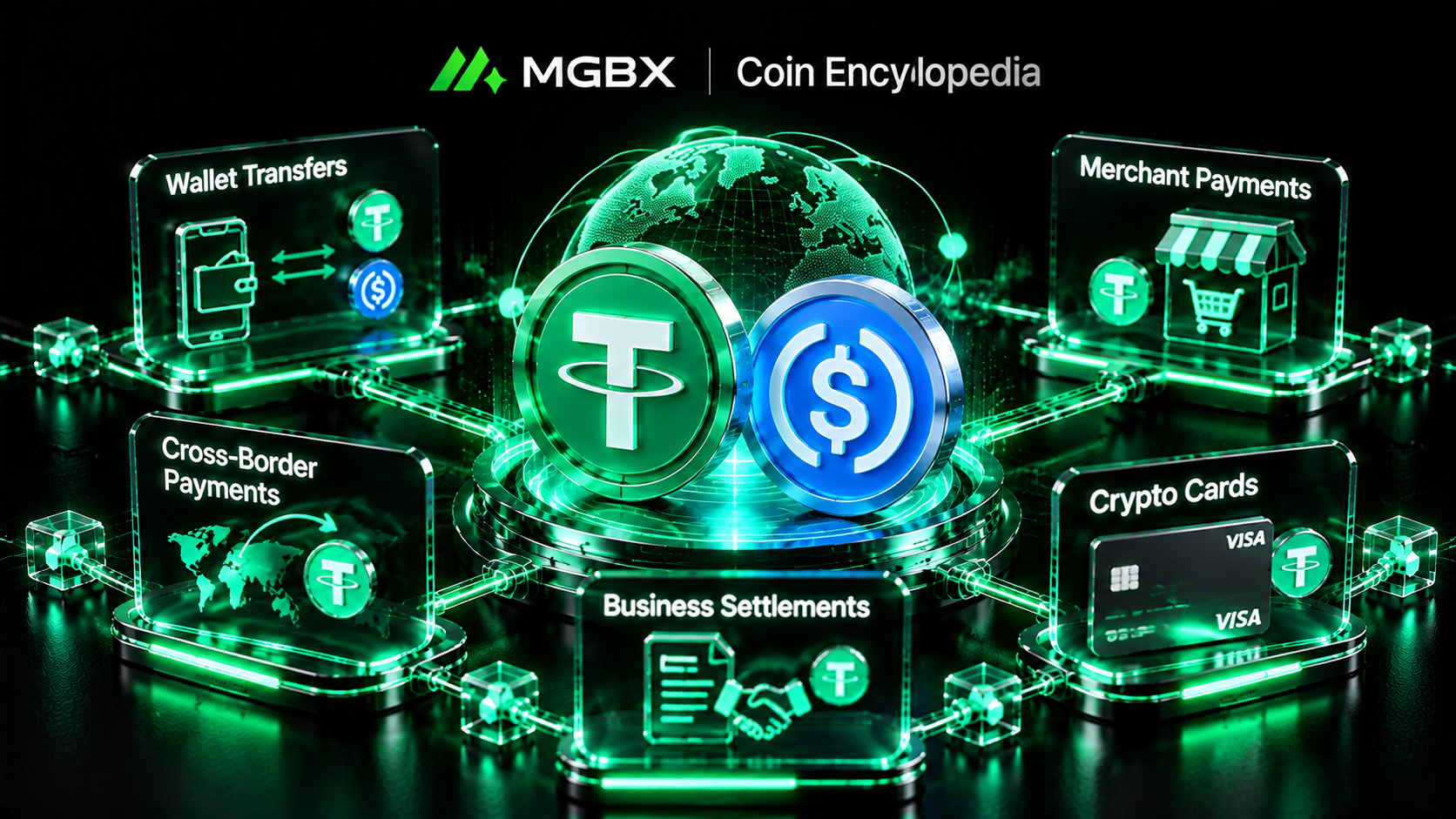
Stablecoins are expanding beyond crypto trading into payments, cross-border transfers, and on-chain finance. Dollar-pegged assets such as USDT and USDC can be used for wallet-to-wallet transfers, payments to participating merchants, business settlements, and stablecoin-linked payment cards. However, the actual payment process varies by use case: some merchants accept stablecoins directly, while others use payment services or crypto cards that convert stablecoins into fiat currency. Understanding these differences helps users assess the cost, convenience, and suitability of stablecoin payments.
Stablecoin Spending: From Wallet Transfers to Merchant Payments
The basic stablecoin payment method involves sending tokens from one blockchain wallet to another. When both parties support the relevant network, the payer can transfer USDT or USDC to pay for goods, services, or other agreed transactions.
This method may be available at online merchants that accept cryptocurrency, some physical retailers, and service providers that support stablecoin settlement. Tether’s official materials discuss the use of Tether tokens in certain online and in-person payment scenarios. Actual acceptance depends on the merchant and its payment provider. See the Tether official FAQ.
Compared with traditional payment methods, stablecoins can reduce some intermediary steps and support transfers around the clock. However, users should verify the merchant’s identity, recipient address, blockchain network, and any additional fees before paying. Once confirmed, an on-chain transfer generally cannot be reversed directly.
USDT Payments: Cross-Border Transfers and Business Settlements
USDT payments can be used not only for transfers between individuals but also for certain cross-border business transactions. For example, a company paying an overseas service provider or a remote worker receiving dollar-denominated compensation may use stablecoins if both parties agree and local laws and contractual requirements permit it.
One feature of stablecoins is that blockchain networks generally operate around the clock, reducing reliance on traditional banking hours. However, obtaining USDT as the payer and converting it into local fiat currency as the recipient may involve fees, exchange spreads, and platform processing times.
In its 2026 Annual Economic Report, the Bank for International Settlements (BIS) notes that the total cost of cross-border stablecoin transactions must account for on- and off-ramp expenses. Stablecoin payments are therefore not necessarily cheaper than bank transfers.
Before adopting USDT payments, businesses should also review accounting records, tax treatment, anti-money laundering requirements, and the regulations applicable to both parties.
Crypto Cards: How Can Stablecoins Be Used for Everyday Spending?
Crypto cards and stablecoin-linked payment cards connect digital assets with traditional merchant payment networks. Users can fund a supported account with stablecoins and make purchases through an associated card, subject to the issuer’s terms.
For example, Visa’s partnership announcement with Bridge describes a stablecoin-linked Visa card model. When users pay at participating Visa merchants, the service deducts the relevant amount from the user’s stablecoin balance and converts it into fiat currency so that the merchant can receive local currency through its usual payment process.
This does not mean that every Visa merchant directly accepts USDT or that such cards are available in every country. Availability depends on the card issuer, jurisdiction, identity verification requirements, supported assets, and fee structure.
Stablecoin-linked cards may also involve conversion spreads, card fees, account restrictions, and service-provider risks. Before applying, review the specific product terms and confirm whether purchases are funded by stablecoin balances or other digital assets.
FAQ
-
Can stablecoins be used directly in stores?
Yes, if the merchant or its payment provider supports the relevant stablecoin and blockchain network. Not all merchants directly accept USDT or USDC. -
What is the difference between USDT payments and crypto cards?
A USDT payment generally involves sending tokens directly to a recipient address. A crypto card uses a payment card network and may convert stablecoins into fiat currency behind the scenes. -
Are stablecoin payments always fee-free?
No. Network fees, platform charges, conversion spreads, withdrawal fees, or card-related charges may apply. -
Are stablecoins suitable for cross-border purchases?
They may be suitable when both parties support them, local laws permit their use, and the total cost is reasonable. Compare all fees, conversion options, settlement times, and risks first.
Mastering the basics is the first step. Follow MGBX Academy to access more cryptocurrency educational resources and market opportunities.
The process for trading on MGBX:
-
Register a trading account and complete the necessary identity verification;
-
Deposit funds and select a trade type;
-
On the cryptocurrency trading page, enter the amount or quantity of the cryptocurrency you wish to purchase;
-
Confirm the order to complete the trade, and check that your assets have increased accordingly.
Further Readings:
Stablecoins in Cross-Border Payments
Tether Reserves and Audits: Is USDT Really Backed 1:1?
Stablecoins vs. Traditional Banks: A Comparison of Efficiency