Scammed Out of USDT? An Emergency Response Guide
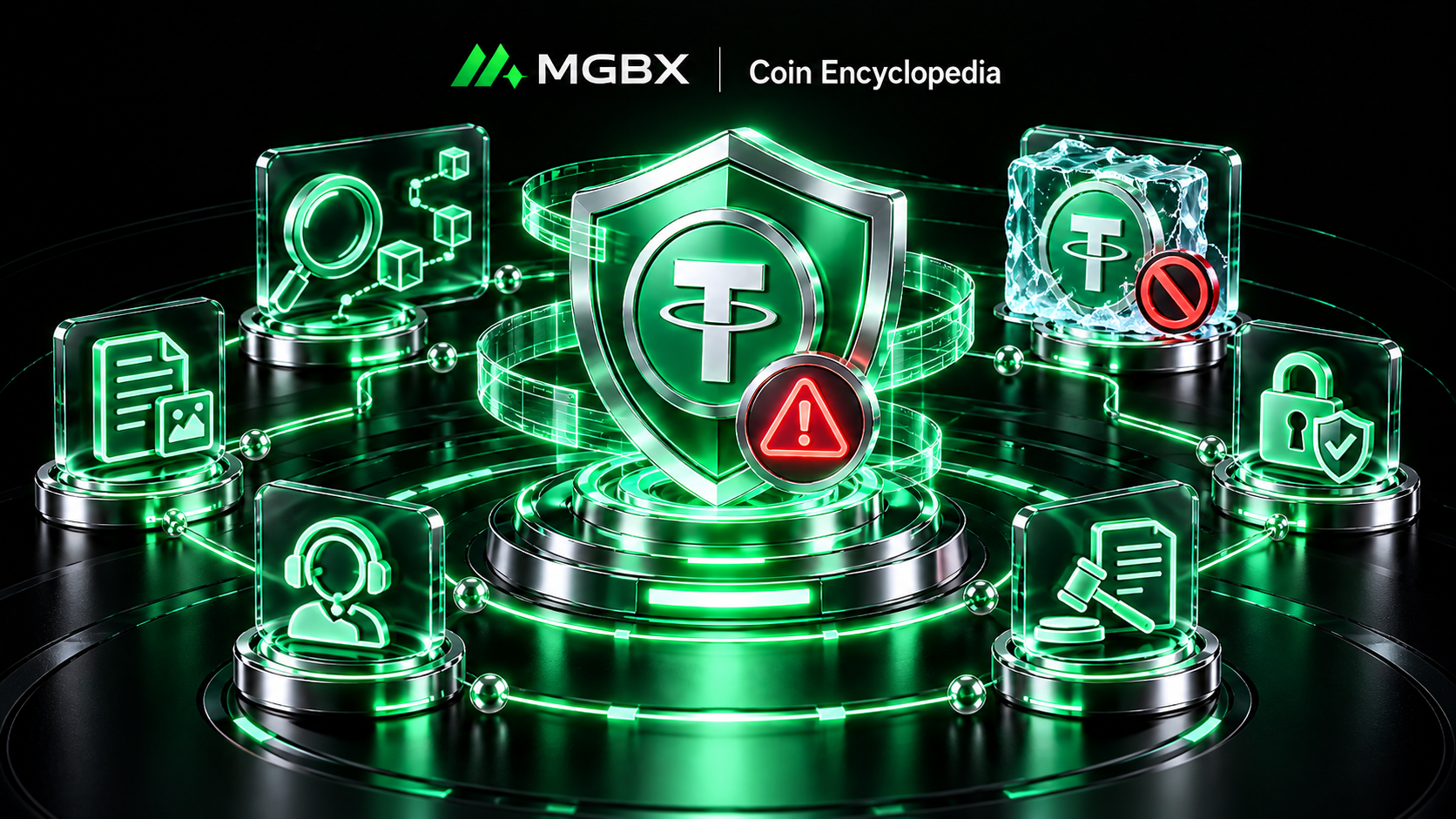
If your USDT has been stolen or sent to a scammer, stop making payments immediately and contact the relevant platform, exchange, and local law enforcement as soon as possible. Confirmed blockchain transactions generally cannot be reversed directly, but prompt reporting can help preserve evidence, trace fund movements, and potentially support action if the funds reach a regulated platform. Be especially cautious of recovery services that promise guaranteed results in exchange for upfront fees. This guide outlines practical steps without guaranteeing recovery.
What Should You Do Immediately After a USDT Scam?
If you discover that you have been scammed, stop transferring funds immediately. Do not pay additional deposits, unlocking fees, taxes, or withdrawal charges. Even if the other party claims that one more payment will release your original funds, do not trust the promise without independent verification.
If the transfer was made through an exchange or payment platform, report the fraudulent transaction through its official support channel as soon as possible. Provide the transaction time, amount, recipient address, and transaction hash (TXID), and ask whether the relevant account or funds can be restricted. Reporting quickly is especially important if the funds have not yet completed internal platform processing. Whether the funds can be frozen or recovered depends on the transaction status, where the assets have moved, and the platform’s authority.
The U.S. Federal Trade Commission (FTC), in its guide on what to do if you were scammed, advises cryptocurrency scam victims to contact the exchange or ATM operator used for the transfer, report the fraud, and ask whether the transaction can be reversed.
If your wallet seed phrase, private key, or account password has been exposed, secure any assets you can still control and change compromised passwords. If a private key has been leaked, consider moving remaining assets to a new wallet using a secure device. Do not continue using a wallet that may be compromised.
How to Preserve Evidence and Seek Help Through Official Channels
USDT scam investigations often require both on-chain records and off-chain communications. Preserve the following information:
-
Transaction hash, blockchain network, sending address, recipient address, transfer amount, and timestamp.
-
Chat logs, phone numbers, social media accounts, emails, website links, and payment requests associated with the other party.
-
Exchange orders, deposit and withdrawal records, payment receipts, and relevant account information.
-
Evidence of promised returns, requests for additional payments, or claims that someone can recover your funds.
Blockchain records can help investigators trace the movement of funds, but a wallet address does not necessarily identify the person controlling it. You can use blockchain explorers such as TRONSCAN or Etherscan to review transactions and track transfers.
After organizing the evidence, report the incident to local police or the appropriate cybercrime reporting agency and contact the platforms involved. If the case spans multiple countries or regions, seek assistance through the applicable local procedures. Users in the United States can also submit information to the FBI’s Internet Crime Complaint Center (IC3) or report fraud through the FTC’s official reporting portal.
Can Stolen USDT Be Recovered? How Can You Avoid Recovery Scams?
USDT recovery is sometimes possible, but there is no universal method that guarantees success. If the funds reach an exchange, custodial wallet, or another platform that can cooperate with an investigation, law enforcement may request assistance where appropriate. If the funds move through multiple wallets, cross-chain bridges, or other services, tracing them can become more complicated.
Be especially alert to secondary scams. Some individuals contact victims claiming to be hackers, blockchain investigators, or exchange insiders who can recover stolen assets. They may demand service fees, deposits, or supposed on-chain unlocking charges before doing any work.
The FTC’s warning about refund and recovery scams explains that fraud victims may be targeted again by people promising to retrieve lost money. Requests for upfront fees combined with guaranteed recovery claims are major warning signs.
When responding to a USDT scam, prioritize official platforms, law enforcement, and legitimate legal channels. Do not trust unverified recovery promises.
FAQ
-
Can stolen USDT be recovered?
Possibly, but recovery is not guaranteed. The outcome depends on where the funds went, platform cooperation, the available evidence, and the progress of the investigation. -
Can a completed USDT transfer be reversed?
Confirmed on-chain transactions generally cannot be reversed directly. Contact the relevant platform immediately and provide complete transaction details. -
Should I pay an upfront fee to recover stolen USDT?
Be extremely cautious. Services that demand advance payments, guarantee 100% recovery, or request your private key carry significant risks. -
What evidence should I provide when reporting a scam?
Prepare the TXID, wallet addresses, chat records, transaction receipts, the other party’s account details, and relevant website information. Preserve the original records.
Mastering the basics is the first step. Follow MGBX Academy to access more cryptocurrency educational resources and market opportunities.
The process for trading on MGBX:
-
Register a trading account and complete the necessary identity verification;
-
Deposit funds and select a trade type;
-
On the cryptocurrency trading page, enter the amount or quantity of the cryptocurrency you wish to purchase;
-
Confirm the order to complete the trade, and check that your assets have increased accordingly.
Further Readings:
Stablecoins in Cross-Border Payments