Leverage Liquidation Review: A Real Event and a $100,000-to-Zero Example
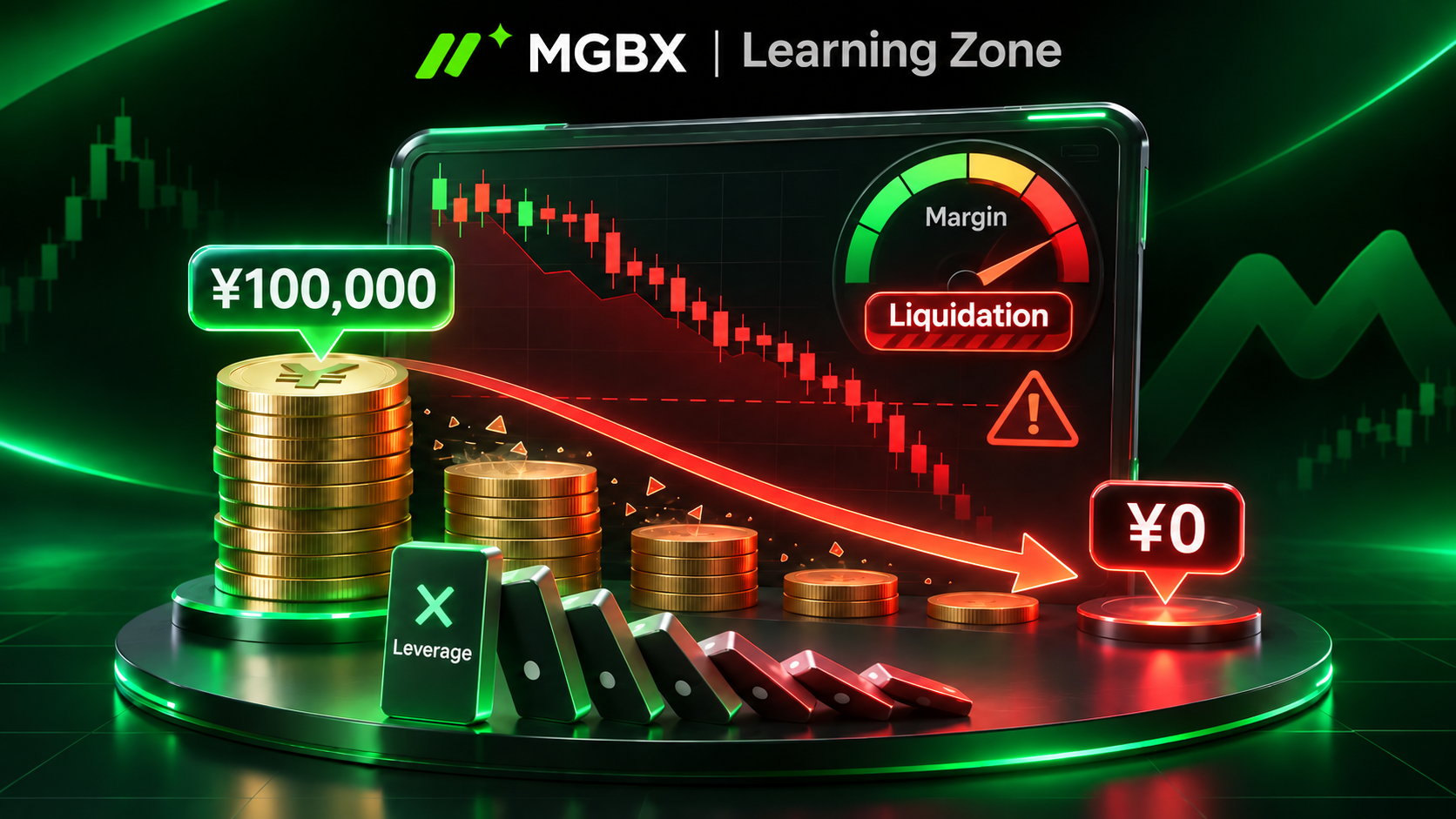
Liquidation cases help explain how risk accumulates. This article examines the documented Archegos collapse to illustrate concentrated exposure and margin pressure, then uses a separate $100,000 example to calculate leveraged losses. The example is hypothetical, not a reconstruction or a fixed liquidation outcome. The lessons are to control position size, correlated exposure, and additional commitments, and to exit when the original trade conditions fail rather than holding solely to recover losses.
A Real Event: How Can Concentrated Positions Trigger Cascading Liquidations?
The Archegos family office defaulted in March 2021. According to the Financial Stability Oversight Council’s annual report, published by the U.S. Treasury, it built leveraged exposure through stocks and total return swaps concentrated in relatively few companies. Falling prices triggered margin calls it could not meet. Counterparties then liquidated positions, intensifying declines in some stocks. The report recorded more than $10 billion in counterparty credit losses.
This was not a retail crypto account, but the mechanism is relevant: multiple positions can share directional risk, falling prices can erode equity and increase margin pressure, and forced selling can occur when liquidity is weak.
Not every liquidation follows the same path. Products have different margin, settlement, and recovery rules. Focus on the mechanism rather than copying loss percentages across markets.
How Can Leverage Rapidly Erode $100,000?
The following is an educational example, not an actual user’s trading record.
Assume margin equivalent to $100,000 supports a linear futures long worth $2 million at 20x initial leverage, with no additional collateral and no fees.
Decline from Entry Price | Theoretical Position Loss | Theoretical Remaining Equity |
1% | $20,000 | $80,000 |
2.50% | $50,000 | $50,000 |
4% | $80,000 | $20,000 |
5% | $100,000 | $0 |
The table illustrates price-related losses only. Its final row is not the actual liquidation threshold. Maintenance margin and applicable fees typically trigger intervention earlier, so the position may not survive until equity reaches zero.
The U.S. Commodity Futures Trading Commission’s digital asset risk advisory notes that leverage magnifies gains and losses. Under some products and rules, losses can exceed the initial investment. Liquidation therefore does not always mean losing exactly the initial margin.
What Lessons Can Traders Learn?
A few profitable trades do not validate your judgment: larger positions can turn the same market move into a very different account outcome.
Distinguish adding margin from adding to a position: the former increases collateral, while the latter increases quantity. Both can increase the assets ultimately at risk.
Adding to a losing position is not mathematically wrong in every case. Without predefined size limits and exit conditions, however, it can become an improvised attempt to break even. Lowering the average entry price does not reduce total risk; the additional quantity remains exposed to adverse moves.
Isolated margin separates margin allocation, but does not unconditionally cap losses at the original commitment. Review manual top-ups, automatic additions, and fees. Useful records include maximum exposure, added collateral, exit conditions, and execution differences. See leverage mechanics and risks for the fundamentals.
FAQ
Does 20x leverage always liquidate after a 5% decline?
No. Maintenance requirements, fees, and margin mode also determine the trigger.Does isolated margin prevent losing the entire account?
Not necessarily. Allocation size, top-up settings, and other positions still matter.Will a liquidated position recover if prices rebound?
No. Closed positions do not automatically reopen when prices recover.
Mastering the basics is the first step. Follow MGBX Academy to access more cryptocurrency educational resources and market opportunities.
The process for trading on MGBX:
Register a trading account and complete the necessary identity verification;
Deposit funds and select a trade type;
On the cryptocurrency trading page, enter the amount or quantity of the cryptocurrency you wish to purchase;
Confirm the order to complete the trade, and check that your assets have increased accordingly.
Further Readings:
The Complete Beginner’s Guide to Leverage Trading
Adding Margin and Liquidation Alerts: Managing Extreme Market Conditions
Leverage Trading Strategies: When to Add to or Reduce Positions
Margin Trading vs. Futures Trading: Differences and How to Choose
Long-Term Strategies with Low Leverage: Is Consistent Profit Possible?