Bitcoin Limit Order vs Market Order: Which Should You Use to Buy BTC?
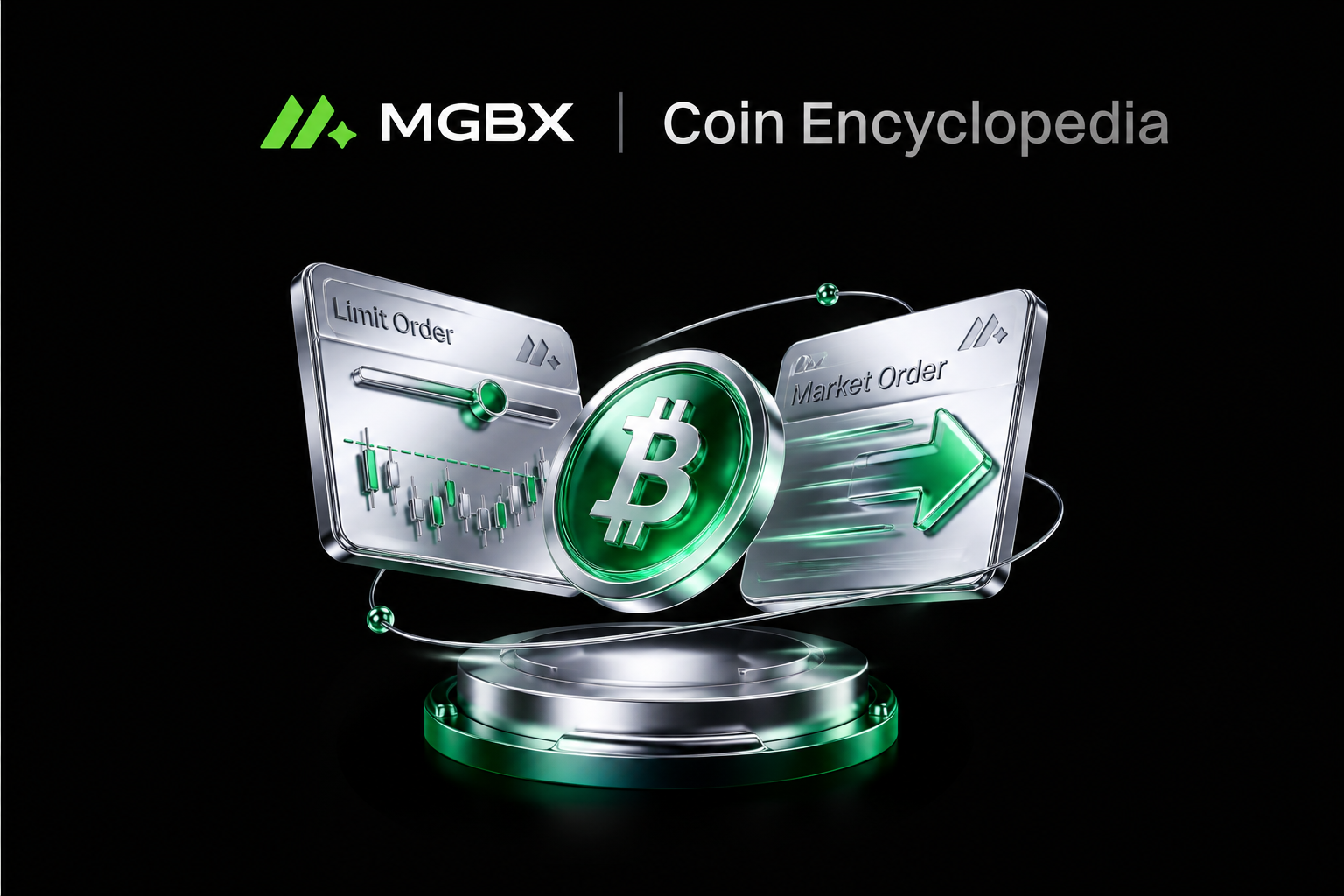
When buying Bitcoin, limit orders and market orders serve different trading goals. A limit order prioritizes price control, while a market order prioritizes execution speed. A BTC limit order lets users set the highest price they are willing to pay, and the order will only execute at that price or lower. However, it may take longer to fill or may not execute at all. A Bitcoin market order immediately matches available sell orders in the order book, allowing users to build a position more quickly, but the final average execution price may differ from the price displayed when the order was submitted. Users should choose an order type based on their target price, order size, market depth, and current volatility.
BTC Limit Order vs BTC Market Order
A BTC limit order allows users to set the price and quantity in advance. Suppose BTC is currently trading at 100,000 USDT and a user wants to buy after a price pullback. They could place a limit buy order at 98,000 USDT. The order can only execute if matching sell orders become available at 98,000 USDT or lower.
A limit buy order will execute only at the specified price or a better price, helping users control their maximum purchase price. However, execution is not guaranteed. The order may be only partially filled or may remain unfilled if the market never reaches the target price.
A BTC market order does not require users to specify an execution price. Instead, it matches available orders in the order book at the best prices currently available.
For example, if a user places a 10,000 USDT market order to buy BTC, part of the order may execute at 100,000 USDT, while the remaining amount could fill at 100,050 USDT or 100,100 USDT. The final result is based on the average execution price. Market orders usually execute faster, but significant slippage may occur during periods of high volatility or when order book liquidity is limited.
When Should You Use a Limit Order or Market Order?
A limit order may be more suitable when users have a specific target entry price, want to buy BTC after a pullback to a certain level, or need to control slippage on a larger order. Users can also divide their planned investment into several limit orders at different prices to build a BTC position gradually.
However, a limit order only controls the worst acceptable execution price and does not guarantee that the order will be filled. If the limit price is set too far from the current market price, the order may remain open for a long time. Even if BTC briefly reaches the target price, the order may be only partially filled because of order priority and limited available liquidity.
A market order may be more suitable when execution speed is the priority, the order size is relatively small, and BTC market liquidity is sufficient. However, during periods of sharp price movement, wider bid-ask spreads, or large order sizes, a market order may consume liquidity across multiple price levels, causing the final purchase price to be higher than expected.
Trading Costs When Buying BTC
In addition to the execution price, users should consider slippage and trading fees. Slippage is mainly affected by market liquidity, order size, and price volatility. The lower the market depth, the greater the potential price impact of a large order.
Trading fees may follow a Maker and Taker fee model. Orders that are added to the order book and provide liquidity are generally classified as Maker orders. Orders that immediately match existing orders and consume liquidity are generally classified as Taker orders.
Market orders are typically executed as Taker orders, but limit orders are not always Maker orders. If a limit buy price is equal to or higher than the current best ask price, the order may execute immediately and be charged as a Taker order. Exact fee rates and order classifications depend on the rules displayed on the trading platform.
Before buying BTC, users should decide whether execution price or execution speed is more important to their strategy. Before submitting an order, check the BTC trading pair, buy price, order amount, estimated BTC quantity, and applicable trading fees. First-time users may consider starting with a smaller amount to become familiar with the order book and trade history before adjusting their order strategy.
How to Buy BTC on MGBX:
-
Register a trading account and complete the required identity verification.
-
Deposit funds and go to the BTC trading page.
-
Enter the amount you want to spend or the amount of BTC you want to buy.
-
Confirm the order to complete the transaction, then check that your BTC balance has been updated accordingly.
FAQ
-
Which is better for buying BTC, a limit order or a market order?
There is no single best choice. Limit orders are better suited to controlling the purchase price, while market orders prioritize faster execution. The appropriate option depends on market conditions and the user’s trading objective. -
Does a BTC limit order completely eliminate slippage?
A limit order controls the worst acceptable execution price, but it may be partially filled or remain unfilled. If a limit order immediately crosses the order book, it may also execute as a Taker order. -
Will a Bitcoin market order always be fully filled?
Not necessarily. Market orders usually execute quickly, but they may be partially filled or stop executing if liquidity is insufficient or the platform applies price protection mechanisms. -
Which order type should be used for a large BTC purchase?
Large market orders may create significant slippage. Users can review order book depth and consider using limit orders or splitting a large purchase into smaller orders to manage execution costs. To learn more about order book depth and related trading concepts, visit the MGBX Academy.