BTC Spot ETFs Explained: Bitcoin ETFs, SEC Approval, and Institutional Adoption
Learn how BTC spot ETFs work, what SEC approval means, how institutional participation may affect the market, and how Bitcoin ETFs differ from directly holding BTC.
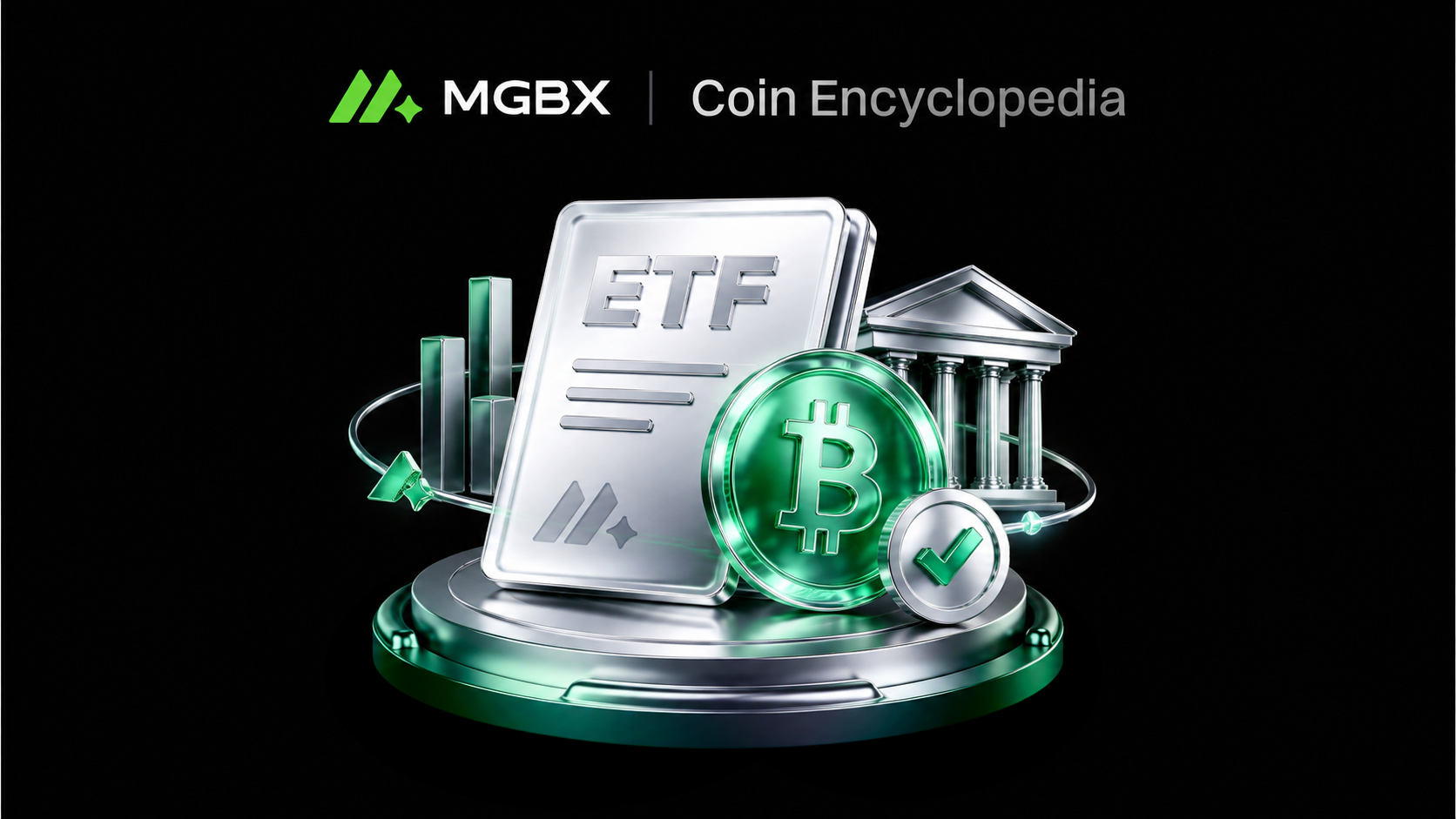
Bitcoin spot ETFs give investors a way to gain exposure to BTC prices through traditional brokerage accounts without managing crypto wallets or private keys themselves. In January 2024, the U.S. Securities and Exchange Commission approved the listing and trading of multiple spot Bitcoin exchange-traded products, marking an important step in the connection between digital assets and traditional finance. Spot ETFs can lower some of the operational barriers to Bitcoin exposure, but they do not eliminate BTC price volatility, fees, liquidity risks, or broader market risks.
What Is a Bitcoin Spot ETF?
A Bitcoin ETF is an exchange-traded product designed to track the price performance of Bitcoin. Investors can buy and sell ETF shares through a brokerage account in a similar way to stocks or traditional funds.
Bitcoin futures ETFs primarily gain BTC price exposure through futures contracts, so their performance may be affected by contract rollovers and differences between futures and spot prices. Bitcoin spot ETFs, by contrast, are backed by actual Bitcoin held by the issuer or its custodian and aim to reflect the spot price of BTC as closely as possible after management fees.
As ETF market demand changes, authorized participants can create or redeem shares and conduct transactions in the underlying assets to help keep the ETF market price close to its net asset value. However, ordinary investors own ETF shares rather than Bitcoin that can be transferred to a personal wallet or used for on-chain payments.
What Do SEC Approval and Institutional Participation Mean?
SEC approval of Bitcoin spot ETFs created a more standardized way for traditional investors, asset managers, and certain regulated institutions to gain exposure to BTC.
Previously, directly holding Bitcoin often required users to choose a crypto exchange, manage a wallet, protect private keys, and arrange asset custody. Spot ETFs shift some of these operational and custody responsibilities to fund issuers and professional service providers.
After major asset managers such as BlackRock and Fidelity launched related products, investors could access Bitcoin through familiar securities infrastructure. This may broaden BTC’s potential investor base and contribute to greater market liquidity, trading depth, and price discovery.
However, institutional participation does not mean capital will only flow into Bitcoin, nor does it guarantee that BTC prices will rise. ETF investors can also sell their shares, while product performance may be affected by management fees, fund flows, macroeconomic conditions, and market sentiment. SEC approval also does not mean the regulator endorses or recommends Bitcoin.
How Is a Bitcoin ETF Different From Buying BTC Directly?
Bitcoin ETFs may be more suitable for investors who want BTC price exposure through a brokerage account while avoiding direct wallet and private-key management. Their main advantage is a trading experience similar to traditional financial products, but investors may face management fees, tracking differences, and bid-ask spreads. In most cases, retail investors also cannot directly redeem ETF shares for Bitcoin.
Buying BTC directly means the user actually owns the digital asset. BTC can be transferred on-chain, self-custodied, or used within the broader Bitcoin ecosystem. However, users must also take responsibility for account security, address verification, and private-key management, while considering trading fees and on-chain withdrawal costs.
Neither approach is universally better. Users can choose based on their investment objectives, asset management preferences, and risk tolerance. For those who prefer direct BTC spot trading, MGBX provides Bitcoin market data and digital asset trading services, allowing users to choose their preferred trade size and order type.
FAQ
Is a Bitcoin spot ETF the same as directly holding BTC?
No. Investors own ETF shares rather than BTC that can be transferred to a Bitcoin wallet.Does SEC approval of Bitcoin ETFs mean BTC is risk-free?
No. SEC approval allows the relevant ETF products to be listed and traded within regulated securities markets, but it does not mean the SEC endorses Bitcoin as an investment or guarantees returns or principal protection.Will Bitcoin ETFs always push BTC prices higher?
Not necessarily. ETFs expand access to the Bitcoin market, but BTC prices are still influenced by fund flows, market supply and demand, investor sentiment, and broader market conditions.
How to Buy BTC on MGBX:
Register a trading account and complete the required identity verification.
Deposit funds and go to the BTC trading page.
Enter the amount you want to spend or the amount of BTC you want to buy.
Confirm the order to complete the transaction, then check that your BTC balance has been updated accordingly.