L2 Token Value Analysis: ARB vs. OP vs. STRK
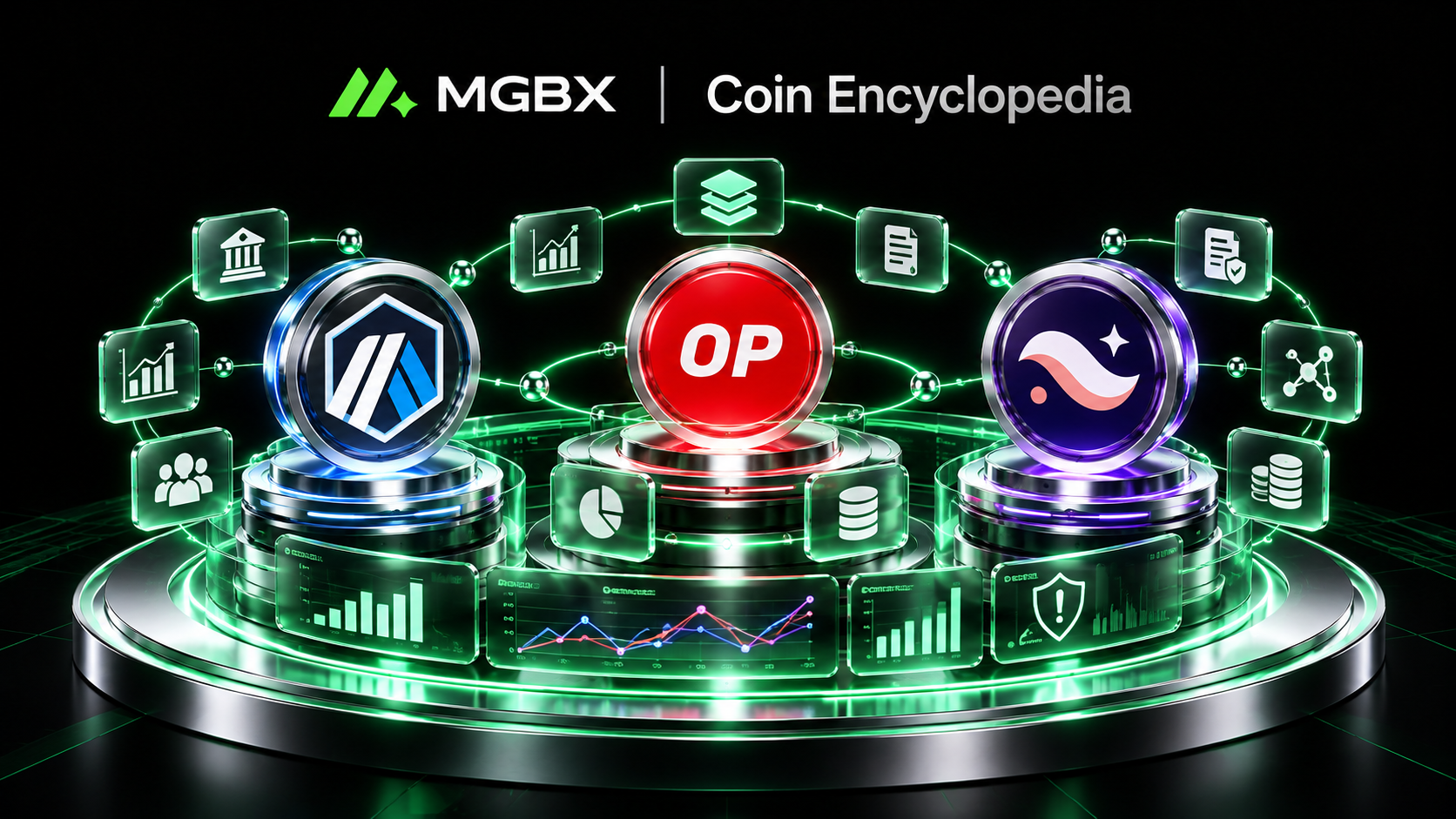
ARB, OP, and STRK belong to the Arbitrum, Optimism, and Starknet ecosystems, respectively. They differ in their roles in governance, network fees, and staking. Evaluating L2 tokens requires more than looking at transaction volume or technical performance. Investors should also assess token utility, supply dynamics, and whether ecosystem growth can generate sustainable demand. Understanding these differences provides a more comprehensive framework for evaluating Layer 2 tokens.
What Are the Differences Between ARB, OP, and STRK?
ARB, OP, and STRK are all associated with Ethereum scaling ecosystems, but their utilities differ. ARB is primarily used for Arbitrum DAO governance, while OP is used in Optimism’s governance system. STRK, in addition to its governance role, can be used to pay network fees on Starknet and participate in staking.
Comparison Factor | ARB | OP | STRK |
Ecosystem | Arbitrum | Optimism | Starknet |
Primary Utility | DAO governance | Ecosystem governance | Network fees, governance, and staking |
Network Gas Fees | ETH on Arbitrum One | Generally ETH on OP Mainnet | ETH or STRK |
Technology | Optimistic Rollup | Optimistic Rollup and OP Stack | STARK validity proofs |
Key Factors to Monitor | Governance, supply, and ecosystem demand | Governance, Superchain growth, and tokenomics | Network fees, staking, and supply |
Key Risks | Token unlocks, governance, and market volatility | Token unlocks, governance, and market volatility | Supply, technical, and market risks |
According to the official Arbitrum DAO documentation, ARB is a governance token that allows holders to participate in proposals concerning protocol upgrades and treasury allocation. The official Optimism governance forum covers OP governance and Superchain-related proposals. The official Starknet FAQ confirms that STRK can be used for network fees, governance, and staking.
How to Evaluate the Value of ARB, OP, and STRK
When evaluating ARB, investors should monitor Arbitrum network activity, DAO governance participation, token supply, and unlock schedules. ARB’s governance utility does not mean that every transaction on Arbitrum generates direct demand for ARB. Network growth and token price performance should therefore be assessed separately.
For OP, investors should consider Optimism governance, OP Stack adoption, Superchain expansion, and changes to tokenomics. The Optimism community has discussed using part of Superchain revenue to buy back OP, but a proposal should not automatically be treated as an implemented mechanism. Updates should be verified through the official Optimism governance proposal and implementation information. Even if a buyback mechanism is implemented, it does not guarantee an increase in OP’s price.
When evaluating STRK, investors should monitor Starknet network fees, staking participation, governance, and token supply. Because STRK can be used to pay network fees, its utility differs from ARB, which primarily serves a governance function. However, actual demand for STRK still depends on network adoption and transaction activity.
What Risks Should Investors Consider When Evaluating L2 Tokens?
All three tokens face risks related to crypto market volatility, liquidity changes, governance decisions, and token supply dynamics. Arbitrum and Optimism use Optimistic Rollup technology, while Starknet uses validity proofs. Each approach has its own trade-offs, and neither theoretical performance nor a single metric is sufficient to determine which token offers greater investment potential.
Investors can start by asking three key questions: Does the token have clear utility? Could its circulating supply continue to increase? Can ecosystem growth generate sustainable demand for the token? Investors should also verify official token unlock schedules, governance proposals, and network upgrades rather than treating short-term market hype as evidence of long-term value.
Frequently Asked Questions
Which is the better investment: ARB, OP, or STRK?
There is no universally best choice. Investors should compare token utility, supply dynamics, ecosystem demand, and their own risk tolerance.Are ARB and OP used to pay gas fees?
Both primarily serve governance functions. Arbitrum One and OP Mainnet generally use ETH to pay network fees.What is the main difference between STRK and ARB or OP?
In addition to governance, STRK can be used to pay Starknet network fees and participate in staking.Does Layer 2 network growth guarantee token price appreciation?
No. Network growth may affect token prices only if it translates into sustained token demand, and the outcome also depends on supply dynamics and broader market conditions.
Mastering the basics is the first step. Follow MGBX Academy to access more cryptocurrency educational resources and market opportunities.
The process for trading on MGBX:
Register a trading account and complete the necessary identity verification;
Deposit funds and select a trade type;
On the cryptocurrency trading page, enter the amount or quantity of the cryptocurrency you wish to purchase;
Confirm the order to complete the trade, and check that your assets have increased accordingly.
Further Readings:
Layer 2 Assets Investment Guide