Arbitrum ARB: A Leading Optimistic Rollup
Learn how Arbitrum and ARB work, including Optimistic Rollup technology, governance value, and the key risks investors should understand.
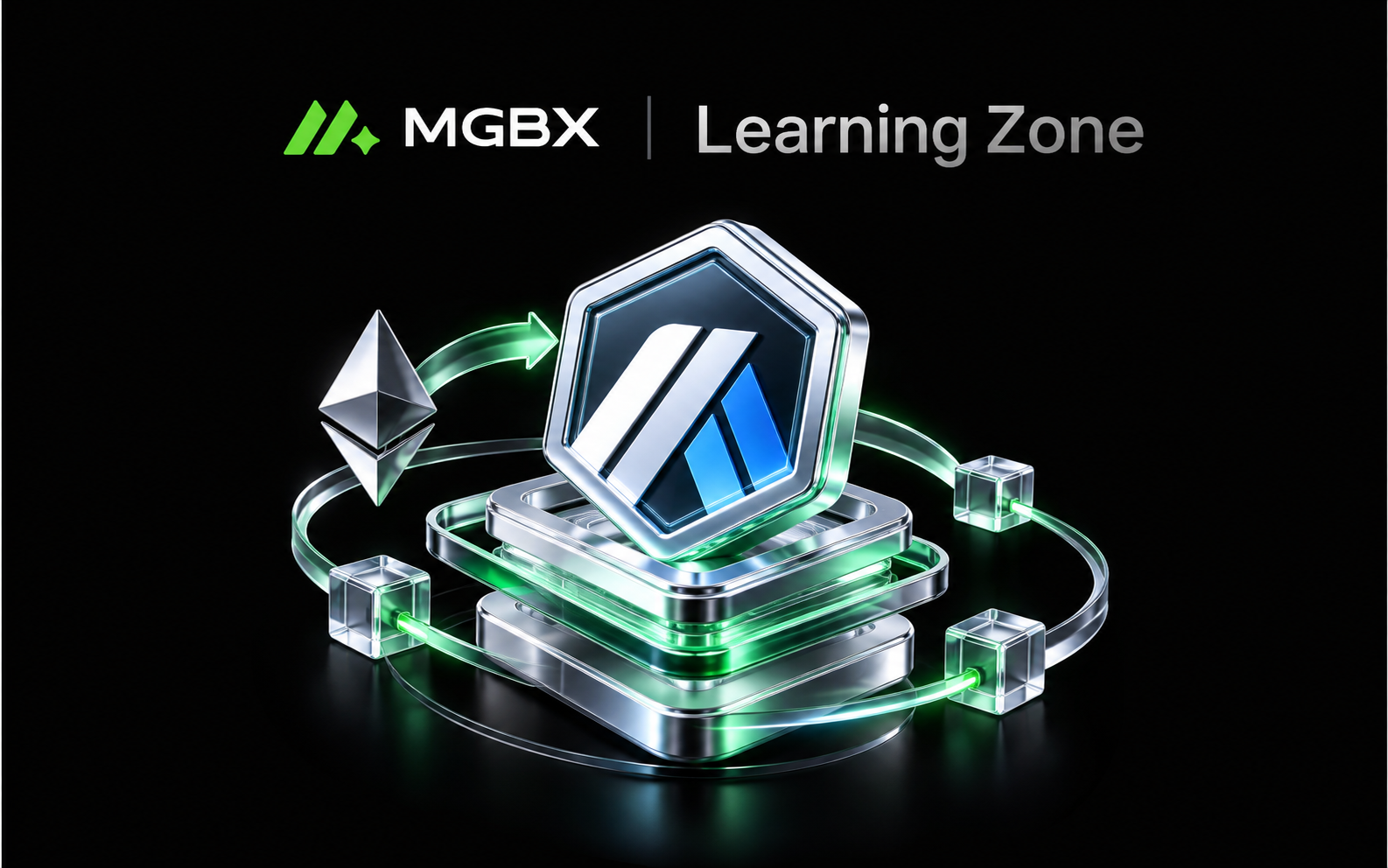
Arbitrum is a major Ethereum Layer 2 ecosystem, while Arbitrum One uses Optimistic Rollup technology to move transaction execution to Layer 2 and settle on Ethereum. ARB is the governance token of the Arbitrum ecosystem. To understand the investment case for ARB, users should distinguish between network utility, governance functions, and token market value.
What Is Arbitrum, and What Is ARB?
Arbitrum is an Ethereum scaling ecosystem, and Arbitrum One is a Layer 2 network built on Optimistic Rollup technology. According to the official documentation, Arbitrum One extends transaction execution to Layer 2 and ultimately settles on Ethereum, helping increase processing capacity while reducing on-chain costs. The broader Arbitrum ecosystem also includes additional networks and customizable blockchain infrastructure. Arbitrum One uses Ethereum as its underlying network and is built on the Nitro Rollup technology stack. Arbitrum processes more transactions on Layer 2 while relying on Ethereum for settlement and data availability.
ARB is the governance token of the Arbitrum ecosystem. Official documentation defines ARB as a governance token, allowing holders to participate in Arbitrum DAO governance. This includes voting on network upgrades, ecosystem funding, and other governance matters, as well as delegating voting power to other representatives. In simple terms, Arbitrum is the network and technology ecosystem, while ARB is a digital asset used to participate in its governance system.
How Optimistic Rollups Help Arbitrum Scale
Optimistic Rollups are designed to move a large amount of computation away from Ethereum while submitting the relevant transaction data back to the network. Compared with executing every transaction directly on Ethereum Mainnet, batching and compressing transactions can spread costs across many operations and improve scalability. Arbitrum Rollup requires the relevant chain data to be published to Layer 1, allowing Ethereum to play an important role in data verification.
Arbitrum Nitro further improves transaction execution, sequencing, batching, and data publication. For users, this design can reduce the cost of using decentralized exchanges, lending protocols, and other on-chain applications. For developers, Arbitrum maintains strong compatibility with the Ethereum development environment, lowering the technical barriers to moving existing applications into the Layer 2 ecosystem.
One common misconception is that ARB is the network fee token for Arbitrum One. It is not. ARB is primarily positioned as a governance token, while transaction fees on Arbitrum are denominated in ETH. Using the Arbitrum network and buying ARB are therefore two separate activities.
How to Understand the Governance Value of ARB
The core utility of ARB begins with governance rights. Token holders can participate in on-chain decisions that affect the development of the Arbitrum ecosystem, including protocol upgrades and the use of governance-controlled funds. Arbitrum DAO is also responsible for managing governance processes and certain technical and financial resources under the governance system.
From an investment perspective, however, governance utility does not mean that the price of ARB will automatically rise alongside Arbitrum network activity. Investors should also consider market supply and demand, circulating supply changes, governance participation, ecosystem competition, and broader crypto market conditions. A more balanced approach is to first assess whether Arbitrum continues to generate real user demand, then consider whether that demand can strengthen ARB’s role within the governance ecosystem.
What Are the Risks of Investing in ARB?
ARB is a highly volatile crypto asset. The Arbitrum network also competes with other Layer 2 networks and alternative scaling technologies, while on-chain applications, cross-chain bridges, and smart contracts each carry their own risks. Strong growth in the Arbitrum ecosystem does not guarantee that ARB will rise in value.
Users who want to research ARB further can follow Arbitrum protocol upgrades, ecosystem activity, governance proposals, and changes in token supply. If you already understand the project and are considering market participation, you can also learn how to trade ARB on the MGBX spot market.
Mastering the basics is the first step. Follow MGBX Academy to access more cryptocurrency educational resources and market opportunities.
The process for trading on MGBX:
Register a trading account and complete the necessary identity verification;
Deposit funds and select a trade type;
On the cryptocurrency trading page, enter the amount or quantity of the cryptocurrency you wish to purchase;
Confirm the order to complete the trade, and check that your assets have increased accordingly.
Further Readings: