The Cost of Emotional Trading: A Behavioral Economics Perspective
Understand the causes of emotional trading in crypto, explore behavioral economics, cognitive biases, and trading psychology to build a more rational trading system.
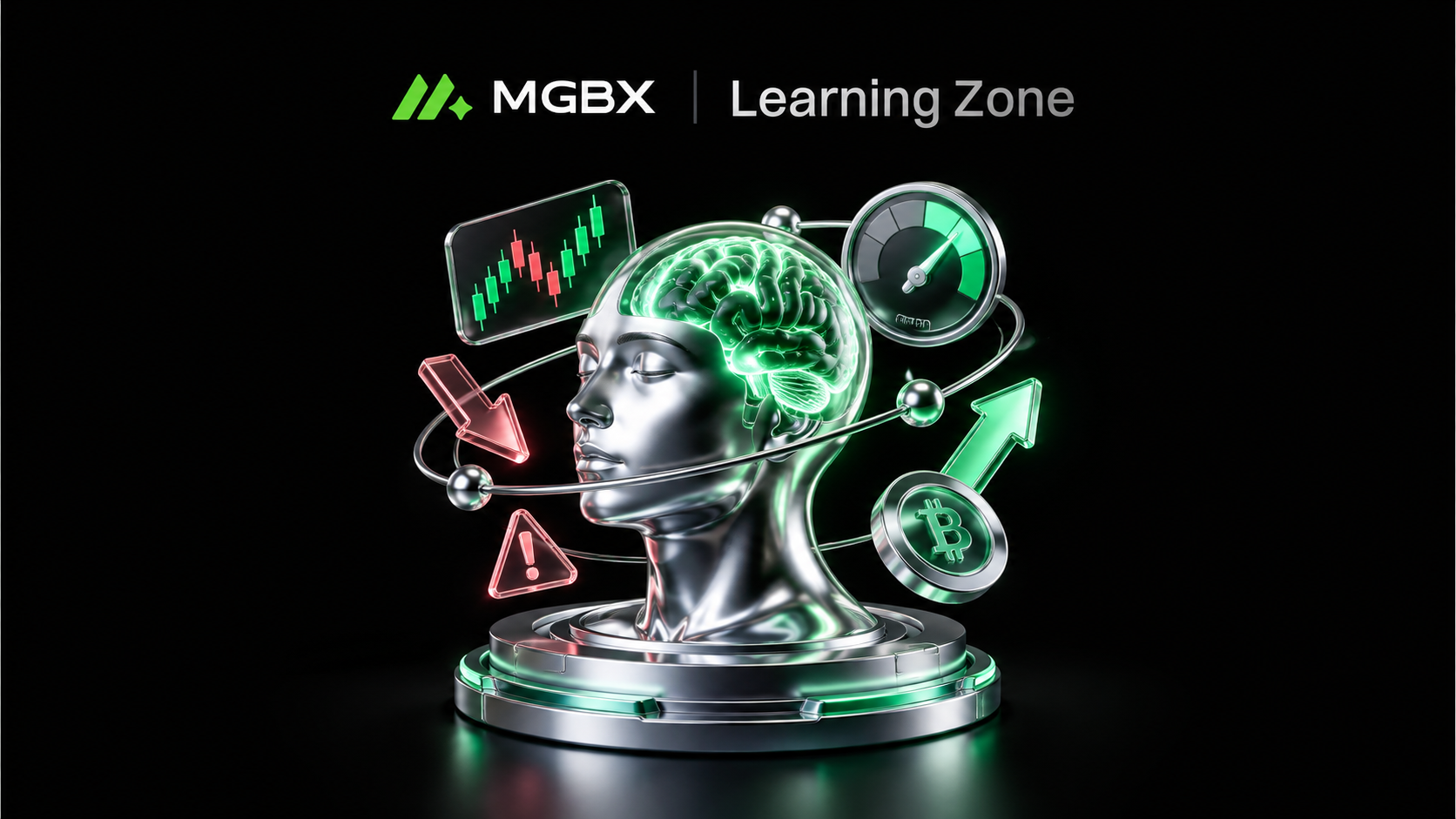
In cryptocurrency trading, performance is influenced not only by market analysis but also by psychological factors and behavioral patterns. Emotions such as FOMO, fear, greed, and loss aversion often lead to chasing rallies, panic selling, excessive trading, and poor risk management. This article explores the causes of emotional trading from a behavioral economics perspective, explains common psychological biases, and introduces trading plans, risk rules, and review methods to help traders reduce irrational decisions and improve long-term trading consistency.
Why Do Emotions Affect Crypto Trading Decisions?
Traditional financial theories often assume that investors make decisions based on rational analysis. However, behavioral economics research shows that humans are frequently influenced by psychological biases when facing uncertainty and financial gains or losses.
The unique characteristics of the cryptocurrency market further amplify these effects. Compared with traditional markets, digital assets experience higher volatility, operate 24/7, and spread information rapidly. Large price movements within a short period can trigger strong emotional reactions, causing traders to deviate from their original trading plans.
Common emotions that influence trading decisions include:
Fear:
When the market declines rapidly, traders may sell too early due to concerns about further losses, without conducting sufficient analysis.Greed:
When an asset continues rising, traders may ignore risk and increase their positions in pursuit of higher returns.FOMO (Fear of Missing Out):
When a token rises quickly or a market trend becomes popular, traders may buy at higher prices because they fear missing the opportunity.
These emotions themselves are not necessarily harmful. However, without clear trading rules, they can easily lead to irrational decisions.
For example, a trader may originally plan to wait for a BTC pullback before entering a position. However, after seeing the market move higher quickly, the trader worries about missing the opportunity and buys at elevated prices. When the market later corrects, the trader refuses to take a loss and avoids setting a stop loss, creating a cycle from chasing rallies to holding losing positions.
Therefore, disciplined traders are not completely free from emotions. Instead, they use trading systems to reduce the impact of emotions on decision-making.
Common Cognitive Biases Behind Irrational Trading Behavior
Emotional trading is not caused only by temporary psychological reactions. It is often influenced by deeper cognitive biases.
Loss Aversion:
Behavioral economics suggests that people generally experience the pain of losses more strongly than the satisfaction of equivalent gains.
In trading, this often appears as:
Refusing to accept losses;
Holding losing positions for too long;
Continuously adding to losing trades.
For example, a trader buys an asset at 50,000 USDT. When the price falls to 40,000 USDT, the trader may continue holding the position because they do not want to accept the loss, even if market conditions have changed.
However, the market does not adjust its direction based on a trader’s entry price.
Confirmation Bias:
Confirmation bias refers to the tendency to seek information that supports existing beliefs while ignoring opposing signals.
Examples include:
Focusing only on positive news after buying a token;
Ignoring project risks;
Rejecting signs that the market trend has changed.
Recency Bias:
Recency bias occurs when traders place too much emphasis on recent market performance.
Examples include:
Assuming prices will continue rising after several consecutive gains;
Assuming prices will continue falling after a prolonged decline.
These cognitive biases can shift traders from strategy-based decisions to emotion-driven trading.
How to Build a Disciplined Trading System?
Completely eliminating emotions is unrealistic. However, traders can reduce emotional influence by creating structured rules and processes.
Create a clear trading plan:
Define entry conditions, stop-loss levels, target prices, and maximum risk limits in advance. This prevents traders from making impulsive decisions during market fluctuations.Set risk limits:
Establish maximum loss limits per trade, daily loss thresholds, and maximum position sizes. Once risk limits are reached, stopping trading can prevent revenge trading after consecutive losses.Reduce unnecessary market monitoring:
For short-term traders, constantly watching price movements can increase psychological pressure and make emotional reactions more likely. Using stop-loss orders, take-profit orders, and planned trading tools can help reduce unnecessary manual decisions.Maintain a trading review process:
After each trade, traders should review:Why did I enter this trade?
Did I follow my trading plan?
What caused the profit or loss?
Was my decision influenced by emotions?
Long-term reviews help traders identify repeated mistakes and continuously improve their trading rules.
From Trading Psychology Management to Long-Term Execution
In cryptocurrency trading, technical analysis, market research, and trading tools are all important, but execution discipline also plays a major role in performance.
Many traders understand risk management but struggle to follow their own rules in real trading:
They know they should stop losses but continue holding because they expect a recovery;
They know they should avoid chasing prices but buy because they fear missing out;
They know they should control position sizes but increase risk after consecutive wins.
These behaviors are all examples of emotions interfering with a trading system.
A mature trading framework requires transforming decision-making from real-time reactions into rule-based execution.
Key elements include:
Clear trading strategies;
Fixed risk management rules;
Strict stop-loss execution;
Continuous review and optimization.
For crypto traders, long-term advantages do not come from predicting every market movement. They come from maintaining consistent decision-making across different market conditions.
FAQ
What is emotional trading?
Emotional trading refers to making buy or sell decisions under the influence of psychological factors such as fear, greed, and anxiety without following a structured trading plan.Why is emotional trading more common in crypto markets?
Because crypto markets are highly volatile, operate continuously, and spread information rapidly, price movements can have a stronger psychological impact on traders.What is FOMO and why can it cause losses?
FOMO refers to the fear of missing an opportunity. When prices rise quickly, traders may ignore risks and buy at high levels due to fear of missing further gains.How can traders avoid refusing to take losses?
Traders can set stop-loss rules in advance and treat stop losses as a normal trading cost rather than a failure of trading ability.Why is trading discipline important?
Trading discipline helps reduce emotional influence and allows traders to maintain consistent execution over time, improving overall risk management effectiveness.
Mastering the basics is the first step. Follow MGBX Academy to access more cryptocurrency educational resources and market opportunities.
The process for trading on MGBX:
Register a trading account and complete the necessary identity verification;
Deposit funds and select a trade type;
On the cryptocurrency trading page, enter the amount or quantity of the cryptocurrency you wish to purchase;
Confirm the order to complete the trade, and check that your assets have increased accordingly.
Further Readings:
Complete Guide to Crypto Trading Risk Management
Black Swan Events: Survival Strategies During Extreme Market Conditions