Stablecoins in Cross-Border Payments
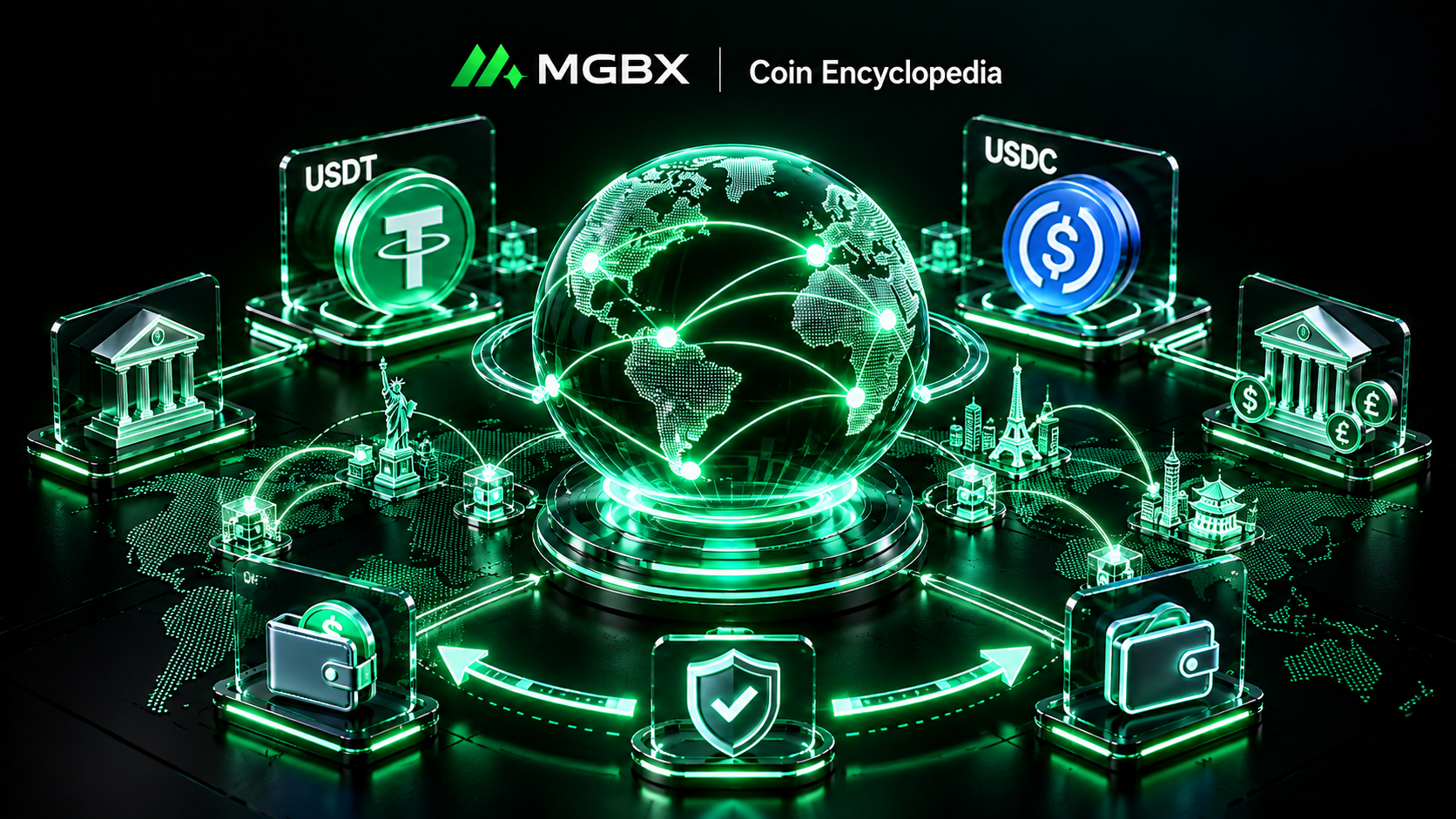
Stablecoins offer an alternative to traditional banking systems for cross-border money transfers. Assets such as USDT and USDC allow users to transfer value across supported blockchain networks without relying entirely on bank operating hours. However, stablecoin payments are not always faster or cheaper. Total costs may include network fees, exchange spreads, deposit and withdrawal charges, and compliance requirements. Understanding the transfer process, recipient requirements, and associated risks can help users determine whether stablecoins are suitable for their cross-border payment needs.
How Do Stablecoins Enable Cross-Border Payments?
Traditional international transfers often involve the sending bank, the receiving bank, and potentially several intermediary institutions. With stablecoins, the sender can obtain assets such as USDT or USDC through a supported service and transfer them to the recipient’s blockchain wallet.
For example, a business making a dollar-denominated payment to an overseas service provider may use a supported USDT network if both parties agree and local regulations permit it. After receiving the tokens, the recipient can hold them or convert them into local fiat currency through a supported service.
One advantage of this process is that blockchain networks can generally process transactions around the clock, without being directly restricted by traditional banking hours. However, confirmation on the blockchain does not mean the recipient has received fiat currency in a bank account. Actual settlement time also depends on network confirmations, platform reviews, fiat conversion, and local banking procedures.
Before transferring funds, both parties should confirm that they are using the same supported blockchain network. According to Tether’s official list of supported protocols, USDT operates across multiple blockchain networks. Senders should verify that the receiving platform supports the selected network to avoid deposit issues caused by network mismatches.
What Are the Benefits and Use Cases of Cross-Border USDT Payments?
Stablecoin payments may be useful for personal remittances, payments to overseas suppliers, compensation for remote workers, and businesses that need to move dollar-denominated funds between regions.
Compared with traditional remittances, stablecoins can reduce some intermediary steps and support blockchain transfers at any time. When both parties have compatible wallets and infrastructure, transfers may not need to wait for banking hours.
However, stablecoins do not automatically solve every cross-border payment problem. In its 2026 Annual Economic Report, the Bank for International Settlements (BIS) notes that the overall cost of cross-border stablecoin transactions needs to account for fees associated with entering and exiting the system.
Businesses should therefore compare fees, settlement times, exchange rates, and compliance requirements for their specific payment routes rather than making decisions based solely on blockchain transfer speeds.
What Are the Risks of Cross-Border Stablecoin Payments?
The first concerns are price and issuer risk. Dollar-pegged stablecoins are designed to maintain a value close to $1, but they can still depeg. Operational risks also exist, including sending funds to the wrong address, selecting an unsupported network, or dealing with fraudulent wallets, platforms, or recipients.
Cross-border stablecoin payments may also be subject to local laws, foreign exchange controls, anti-money laundering requirements, and restrictions imposed by payment providers. Some services require identity verification and may apply transaction limits or additional reviews.
Before making a payment, verify the recipient’s identity, wallet address, blockchain network, and total fees. Keep the transaction hash (TXID) and payment records. Businesses should also confirm that their contracts permit stablecoin settlement and determine how to maintain the relevant accounting records.
FAQ
-
Are stablecoin cross-border payments always cheaper than bank transfers?
No. In addition to blockchain network fees, users should account for buying and selling spreads, platform fees, fiat deposit and withdrawal charges, and any applicable bank fees. -
Do USDT cross-border transfers require banks to be open?
Blockchain transfers can generally take place around the clock, but transaction confirmations, platform reviews, and fiat conversions may still depend on service hours and local requirements. -
What if the recipient does not have a crypto wallet?
Consider a trading platform or payment service supported by both parties and permitted under local regulations. Check account requirements, withdrawal fees, and supported networks in advance. -
Can a stablecoin cross-border payment be reversed?
Confirmed on-chain transactions generally cannot be reversed in the same way as some traditional payments. Always verify the address, network, and amount before sending funds.
Mastering the basics is the first step. Follow MGBX Academy to access more cryptocurrency educational resources and market opportunities.
The process for trading on MGBX:
-
Register a trading account and complete the necessary identity verification;
-
Deposit funds and select a trade type;
-
On the cryptocurrency trading page, enter the amount or quantity of the cryptocurrency you wish to purchase;
-
Confirm the order to complete the trade, and check that your assets have increased accordingly.
Further Readings:
Stablecoin Payment Use Cases: A Complete Overview
Tether Reserves and Audits: Is USDT Really Backed 1:1?
Stablecoins vs. Traditional Banks: A Comparison of Efficiency