What Is Spot Trading? A Beginner’s Guide to Buying Crypto
Learn what spot trading is, how trading pairs, market orders, and limit orders work, and the key price and slippage risks beginners should understand before buying crypto.
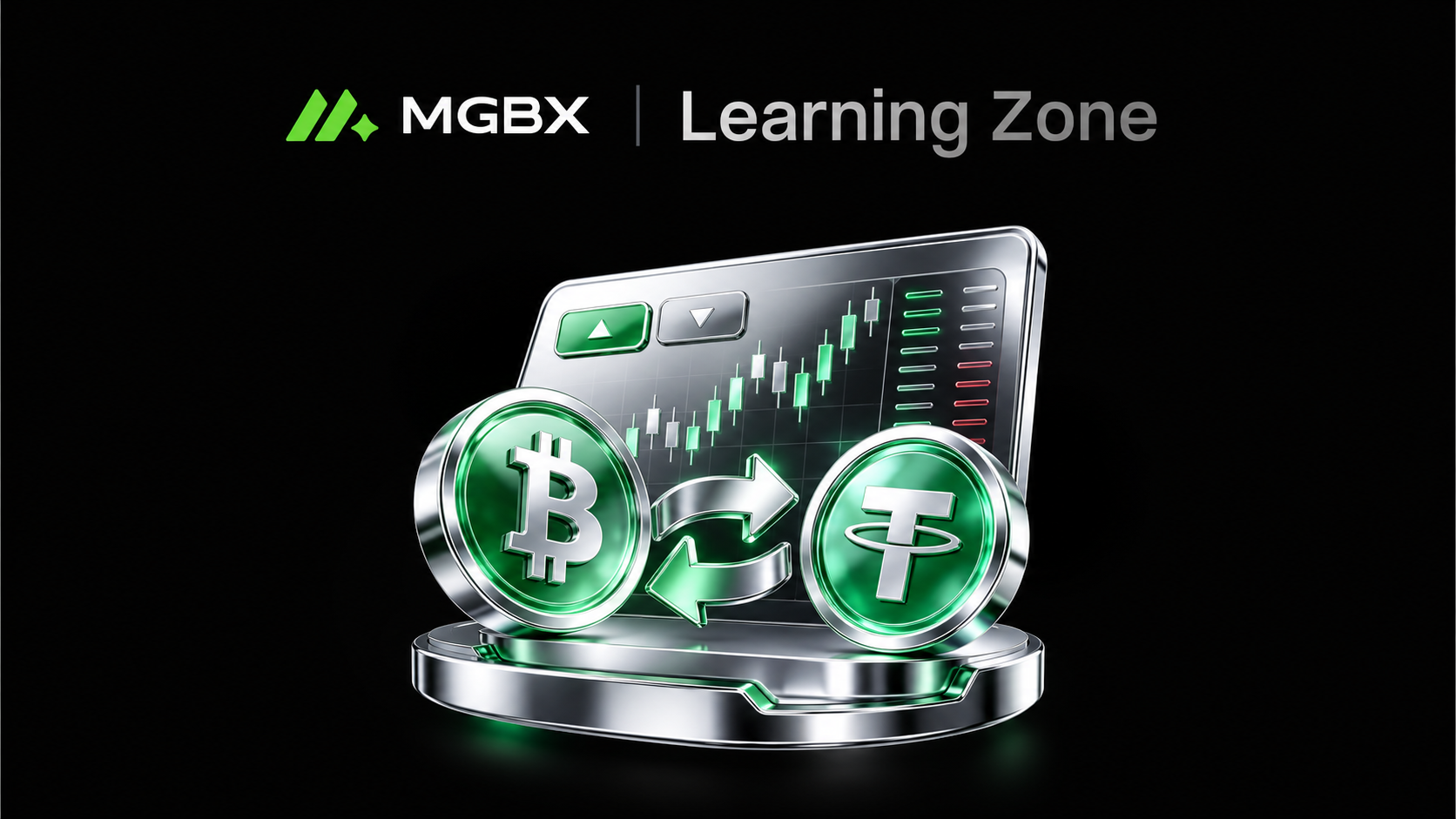
Spot trading is one of the most basic ways to trade cryptocurrency. It involves directly exchanging one asset for another. For example, users can buy BTC with USDT through the BTC/USDT market. Standard spot trading without leverage does not involve the margin and liquidation mechanisms used in perpetual contracts, but it still carries price, liquidity, and platform custody risks. Understanding trading pairs and order types is one of the most important steps before starting spot trading.
Spot Trading for Beginners: What Exactly Is Spot Trading?
Spot trading refers to directly exchanging one asset for another at the current market price or at a price specified by the user.
For example, in the BTC/USDT spot market, users can use USDT in their account to buy BTC or sell BTC in exchange for USDT. Once the trade is completed, the corresponding BTC or USDT balance will appear in the user’s spot account.
It is important to distinguish spot trading from derivatives trading. Standard spot trading without leverage does not involve the margin or forced liquidation mechanisms used in perpetual contracts. However, this does not mean spot trading is risk-free. If the price of BTC falls significantly, the market value of the user’s holdings can still decline sharply.
Assets held in a centralized exchange spot account should also be distinguished from assets transferred to a self-custody wallet. On a CEX, the platform manages account access and custody. Only after an on-chain withdrawal is completed are the assets transferred to the blockchain address specified by the user.
What Is a Trading Pair? Why Choose BTC/USDT to Buy BTC?
A trading pair is a combination of two assets that can be exchanged for one another at a market-determined price.
BTC/USDT is a straightforward example. BTC appears on the left and is the base asset, while USDT appears on the right and is the quote asset. The BTC/USDT price shows how much USDT is required to buy one BTC.
If BTC/USDT is trading at 70,000, it means the market is pricing 1 BTC at approximately 70,000 USDT. When a user chooses to buy BTC/USDT, they are effectively using USDT to purchase BTC. When they sell, they are exchanging BTC for USDT.
This distinction matters because the same asset may trade in several markets. BTC, for example, may be available as BTC/USDT, BTC/USDC, and other pairs. Liquidity, spreads, and execution conditions can vary between trading pairs.
What Is the Difference Between a Market Order and a Limit Order?
The most common order types in spot trading are market orders and limit orders.
A market order is designed to execute as quickly as possible using the available prices in the order book. If the order is small and liquidity is high, the average execution price may be close to the market price displayed when the order is placed. However, fast-moving markets or larger orders can experience slippage. A market order therefore does not guarantee that the entire order will execute at a single displayed price.
A limit order allows users to set the price at which they want to buy or sell. For example, if BTC is currently trading at 70,000 USDT, a user can place a buy order at a lower price. The order will only be eligible for execution when matching sell orders become available at that price or better. Limit orders provide greater price control, but they may remain open for a long time or never be filled.
MGBX currently supports basic order types such as market and limit orders on its spot trading interface, along with order book information.
FAQ
Do I really own BTC after buying it on the spot market?
Yes, but there is an important difference between holding BTC and directly controlling it. After buying BTC through spot trading, your account reflects the corresponding BTC balance and you are exposed to its price movements. If the BTC remains on a centralized exchange, the exchange holds the private keys. Self-custody begins when the BTC is withdrawn to a wallet whose private keys you control.Does a market order always execute immediately?
Market orders are designed for fast execution, but the actual execution speed and price depend on available order book liquidity. The entire order is not guaranteed to fill at one price.Should beginners learn market orders or limit orders first?
Both are basic concepts. Beginners should first understand that market orders prioritize execution speed, while limit orders prioritize price control, then choose based on their trading needs.Is spot trading the same as simply buying crypto?
Not exactly. Spot trading usually involves entering a market such as BTC/USDT and using market or limit orders through an order book. Instant buy services usually provide a direct quote and may allow users to purchase crypto with fiat currency, bank cards, or other supported payment methods without interacting with an order book. Both methods may result in BTC or other spot assets being credited to an account, but the execution process, price formation, and fees may differ.
Mastering the basics is the first step. Follow MGBX Academy to access more cryptocurrency educational resources and market opportunities.
The process for trading on MGBX:
Register a trading account and complete the necessary identity verification;
Deposit funds and select a trade type;
On the cryptocurrency trading page, enter the amount or quantity of the cryptocurrency you wish to purchase;
Confirm the order to complete the trade, and check that your assets have increased accordingly.
Further Readings:
What Is a Cryptocurrency Exchange? A Beginner’s Guide to CEXs
Global Cryptocurrency Exchange Comparison and Selection Guide