What Is a Cryptocurrency Exchange? Types, How It Works, and Platform Selection Guide
What is a cryptocurrency exchange? Learn how crypto exchanges and CEX platforms work, their key functions, and how beginners can evaluate platform security and choose a suitable exchange.
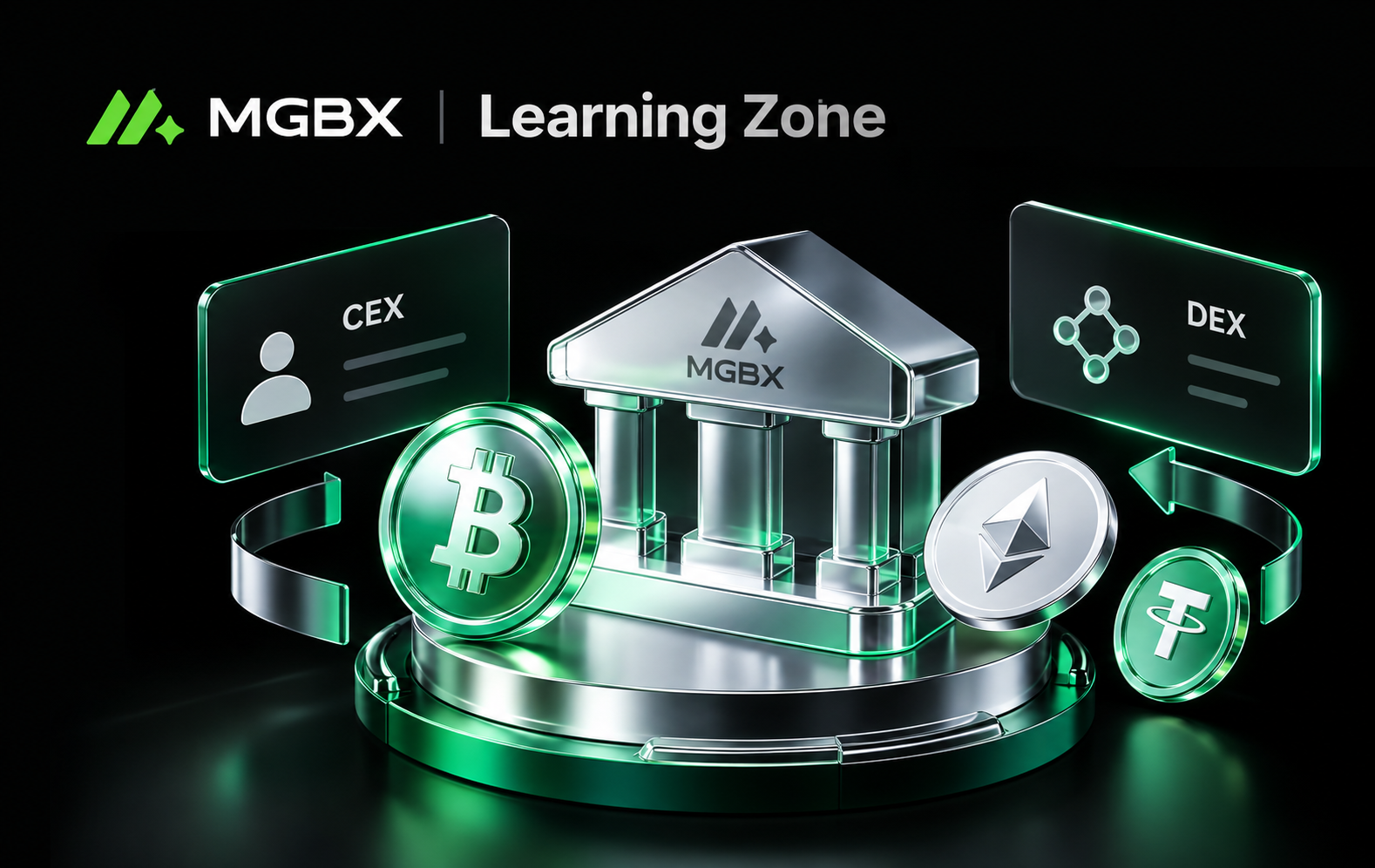
A cryptocurrency exchange is part of the infrastructure that connects users to the digital asset market, providing services such as market data, order matching, asset conversion, and account management. Users can buy and sell Bitcoin, Ethereum, and other digital assets through crypto exchanges, while tools such as limit orders, take-profit, and stop-loss orders can help manage trades. The two main types of trading platforms are centralized exchanges and decentralized exchanges. Among them, CEX platforms are a common entry point for beginners because of their ease of use, relatively high liquidity, and broad range of trading features.
Core Functions: Connecting Users to the Digital Asset Market
A cryptocurrency exchange is a trading platform designed for buying, selling, and exchanging digital assets. Its core function is to connect buyers and sellers while providing a unified environment for pricing, order matching, and settlement.
After entering a trading page, users can choose trading pairs such as Bitcoin and a stablecoin, then review real-time prices, the order book, trade history, and market depth before submitting a buy or sell order. When the buyer’s and seller’s price conditions match, the trading system completes the transaction according to the platform’s rules and updates the corresponding account balances.
In addition to basic spot trading, cryptocurrency exchanges may also offer perpetual contracts, leverage, and other digital asset services. However, these products can differ significantly in both mechanics and risk.
For beginners, the most important value of a trading platform is not access to more complex products, but the opportunity to understand how prices are formed, how orders are executed, and how assets are managed. By bringing together buying and selling demand, exchanges support price discovery and liquidity, but they cannot eliminate market volatility or guarantee profits.
Platform Types: What Is the Difference Between CEX and DEX?
Cryptocurrency exchanges are generally divided into centralized exchanges and decentralized exchanges.
A centralized exchange, commonly known as a CEX, is operated by an organization that manages user accounts, order systems, and trading processes. Users typically need to register an account before using the platform to deposit, trade, and withdraw assets.
Because trading activity is managed through a centralized system, CEX platforms often provide a more intuitive user experience, faster order matching, a wider selection of trading pairs, and more accessible customer support. These characteristics can make them easier for beginners who want to become familiar with digital asset trading.
A decentralized exchange, or DEX, generally uses blockchain-based smart contracts to facilitate asset swaps. Users usually connect a personal wallet directly to the protocol and remain responsible for managing their private keys and on-chain permissions.
This model places greater emphasis on self-custody and on-chain transparency, but it also requires users to understand network selection, wallet security, transaction fees, and smart contract risks.
Neither CEX nor DEX is universally better. CEX platforms generally prioritize convenience and trading efficiency, while DEX platforms place greater emphasis on user control over assets. The appropriate choice depends on a user’s experience, technical ability, and trading needs.
How It Works: How Order Matching and Liquidity Affect Execution
Most CEX platforms use an order book matching system. After users submit orders, the system organizes buy and sell requests according to rules such as price and time priority. A trade is completed when the price a buyer is willing to pay matches the price a seller is willing to accept.
Market orders prioritize execution speed and use available orders already in the market, but the final execution price may vary depending on market depth. Limit orders allow users to set a specific target price, providing greater price control, although execution is not guaranteed.
Liquidity is an important factor when evaluating the trading experience on a cryptocurrency exchange. Highly liquid trading pairs generally have more active buy and sell orders, making it easier to execute trades close to the expected price, often with narrower bid-ask spreads.
If market depth is limited, a large order may need to match across several price levels, potentially resulting in noticeable slippage. For this reason, users should not evaluate an exchange only by the number of supported cryptocurrencies. Trading volume, order book depth, system stability, and fee structure for major trading pairs are also important considerations.
Choosing a Platform: Focus on Security and Transparency
When choosing a cryptocurrency exchange, users should consider several factors, including the platform’s security history, account protection features, asset transparency, market liquidity, fee structure, and customer support.
A reliable trading platform should clearly explain its trading fees, deposit and withdrawal requirements, supported blockchain networks, and relevant risk disclosures. It should also provide security tools such as login verification, withdrawal address management, and alerts for unusual account activity.
Information about asset reserves may also be useful when evaluating a platform, but users should understand that no disclosure or security system can completely replace personal risk management.
When using a CEX, users should create a strong, unique password, enable two-factor authentication, and access trading pages only through official channels. Before depositing, withdrawing, or transferring assets on-chain, it is also important to verify that the asset type, network, and destination address are correct.
Users who want to start exploring digital asset trading can visit MGBX to review market prices, trading pairs, and platform rules. After carefully reading product information and risk disclosures, beginners can start by becoming familiar with spot trading and basic order functions.
Choosing a trading platform is only the first step into the market. Continuing to learn how trading works, protecting account security, and participating according to personal risk tolerance are even more important foundations.
Mastering the basics is the first step. Follow MGBX Academy to access more cryptocurrency educational resources and market opportunities.
The process for trading on MGBX:
Register a trading account and complete the necessary identity verification;
Deposit funds and select a trade type;
On the cryptocurrency trading page, enter the amount or quantity of the cryptocurrency you wish to purchase;
Confirm the order to complete the trade, and check that your assets have increased accordingly.
Further Readings:
A Complete Beginner’s Guide to Cryptocurrency Trading
What Is Cryptocurrency Trading? Explained in 3 Minutes
An Overview of Cryptocurrency Trading Markets
How to Avoid Common Mistakes in Cryptocurrency Trading
Cryptocurrency Trading vs. Stock Trading: Key Differences Between the Two Markets