What Is Crypto Liquidity: Understanding Market Depth, Slippage, and Market Stability
Learn what crypto liquidity means, including order book depth, bid-ask spreads, slippage, market makers, and how to evaluate liquidity on trading platforms.
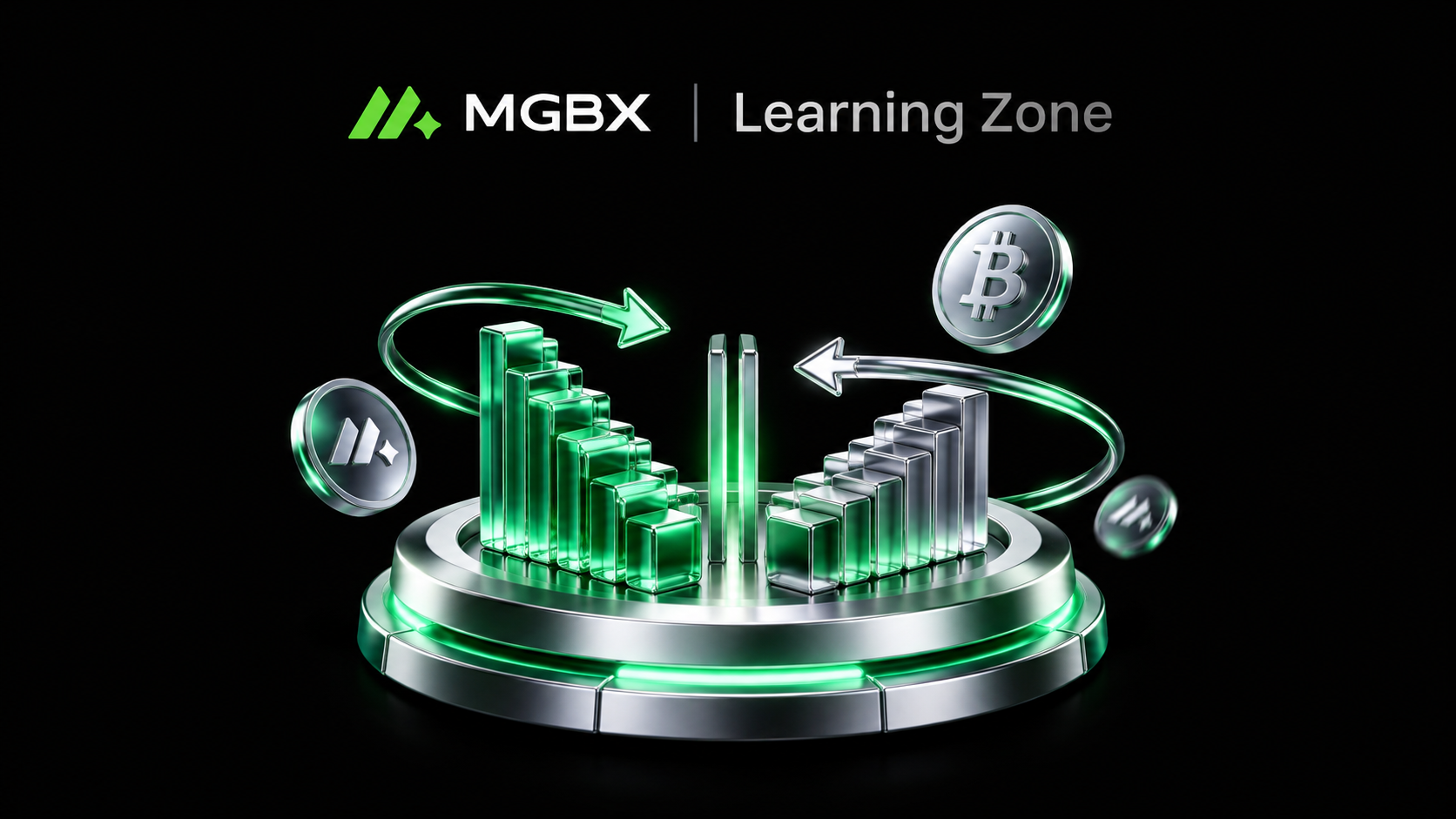
Crypto liquidity is an important indicator of how easily digital assets can be bought or sold without causing significant price changes. Highly liquid markets usually have deeper order books, narrower bid-ask spreads, and lower slippage, while low-liquidity markets may cause execution prices to differ from expectations. Understanding how liquidity works, what factors influence it, and how to evaluate it can help users choose trading platforms more effectively and reduce execution risks.
What Is Crypto Liquidity?
Crypto liquidity refers to the ability of a digital asset to be quickly bought or sold in the market without causing a significant impact on its price.
Simply put, higher liquidity means there are more buyers and sellers participating in the market, making it easier for traders to execute orders close to the current market price. For example, Bitcoin (BTC) and Ethereum (ETH) typically have higher liquidity because they are traded by a large number of users across multiple platforms worldwide.
In contrast, smaller-cap tokens with lower trading activity may experience liquidity issues. Although a market page may display a certain price, limited buy and sell orders in the order book can cause large trades to move the price quickly, resulting in actual execution prices that differ from expectations.
Crypto liquidity is influenced by multiple factors, including the number of market participants, trading volume, order book depth, exchange support, and market maker activity.
It is important to note that price increases do not always indicate strong liquidity. Some assets may rise quickly due to short-term market interest, but if there is insufficient market depth, traders may still experience higher slippage when buying or selling.
How Does Liquidity Affect Crypto Trading?
Liquidity directly affects trading costs, execution efficiency, and the overall trading experience.
On centralized exchanges (CEXs), liquidity is mainly reflected through the order book. The order book records buy and sell orders at different price levels, and trades are executed when the conditions between buyers and sellers match.
When evaluating market liquidity, traders usually focus on three key indicators:
Bid-Ask Spread:
The difference between the highest price buyers are willing to pay and the lowest price sellers are willing to accept. Highly liquid markets generally have smaller spreads because buy and sell orders are closer together.Market Depth:
The amount of buy and sell orders available across different price levels. Greater market depth allows the market to handle larger trades without causing significant price movements.Slippage:
The difference between the expected execution price and the actual filled price. When liquidity is limited, large orders may need to match multiple price levels, causing the final execution price to move away from expectations.
Therefore, liquidity affects not only whether a trade can be completed, but also how much it costs to execute that trade.
What Determines Crypto Market Liquidity?
Crypto market liquidity is created by the combined activity of multiple participants.
Traders and investors:
Market participants provide the basic source of liquidity. More buying and selling activity creates more available orders and helps maintain continuous markets.Market makers:
Market makers help provide liquidity by continuously placing buy and sell orders. Their activity can increase order book depth and reduce bid-ask spreads.Stablecoins:
Stablecoins such as USDT and USDC also play an important role in crypto liquidity. They are commonly used as trading pairs and pricing units, making it easier to move between different digital assets.
Liquidity sources can also differ between types of trading platforms.
Centralized exchanges (CEXs):
CEXs typically use an order book model, with liquidity mainly coming from traders, market makers, and the overall exchange ecosystem.Decentralized exchanges (DEXs):
DEXs usually rely on liquidity pools, where users provide assets to pools that allow other traders to exchange tokens through smart contracts.
There is no absolute winner between CEXs and DEXs. CEXs generally focus on trading efficiency and convenience, while DEXs emphasize self-custody and on-chain transparency. Users should choose the platform type based on their experience, trading needs, and understanding of risks.
How Can You Evaluate Whether a Trading Platform Has Healthy Liquidity?
When choosing a trading platform, users should not only look at the number of supported assets but also evaluate the actual trading environment.
Common liquidity indicators include:
Trading volume:
Shows the level of market activity and participation.Order book depth:
Helps determine whether sufficient buy and sell orders exist across different price levels.Bid-ask spread:
Smaller spreads generally indicate more efficient market matching.Slippage performance:
The price impact experienced when executing larger orders can reflect market capacity.System stability and fee structure:
These factors also affect the overall trading experience.
For short-term traders, liquidity can directly affect execution speed and trading costs. For users executing larger orders, market depth and slippage are often more important considerations.
However, high liquidity does not eliminate risk. Market prices can still be affected by macroeconomic conditions, project developments, and investor sentiment.
Understanding liquidity is not about predicting market movements. Instead, it helps users better understand how trading works and make more informed decisions.
FAQ
What is crypto liquidity?
Crypto liquidity refers to how easily a digital asset can be bought or sold without significantly affecting its market price.Why does liquidity affect trading costs?
Higher liquidity usually means more available orders and narrower bid-ask spreads, allowing users to execute trades closer to market prices with potentially lower slippage.What is slippage?
Slippage is the difference between the expected execution price and the actual filled price. It is more common when market depth is limited or prices change quickly.How can I check the liquidity of a trading platform?
Users can review trading volume, order book depth, bid-ask spreads, and the execution performance of larger orders.What is the difference between CEX and DEX liquidity?
CEXs usually provide liquidity through order books, while DEXs typically rely on liquidity pools. The sources of liquidity and trading mechanisms are different.
Mastering the basics is the first step. Follow MGBX Academy to access more cryptocurrency educational resources and market opportunities.
The process for trading on MGBX:
Register a trading account and complete the necessary identity verification;
Deposit funds and select a trade type;
On the cryptocurrency trading page, enter the amount or quantity of the cryptocurrency you wish to purchase;
Confirm the order to complete the trade, and check that your assets have increased accordingly.